Cylinder Head Gasket
What is the cylinder head gasket?
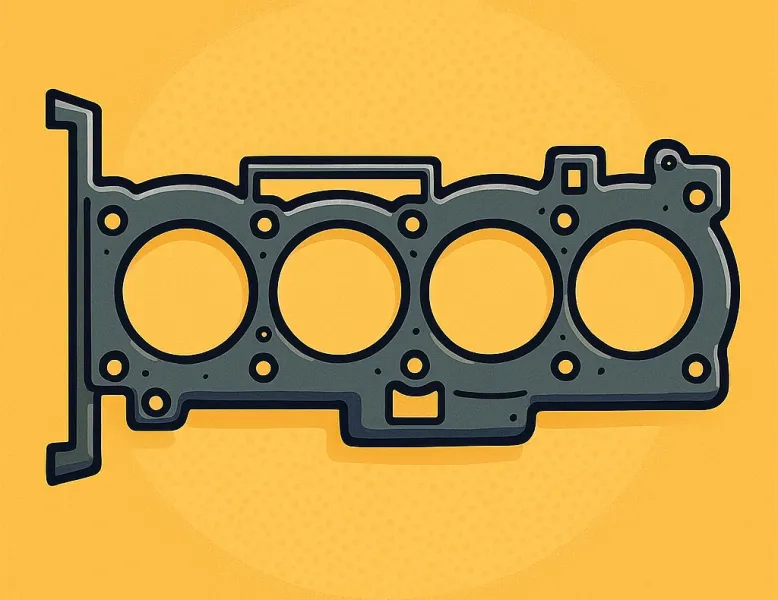
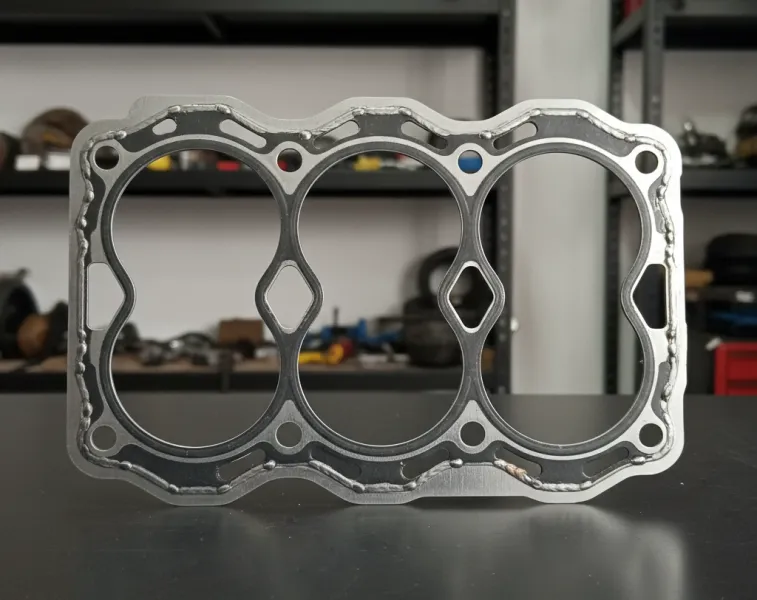
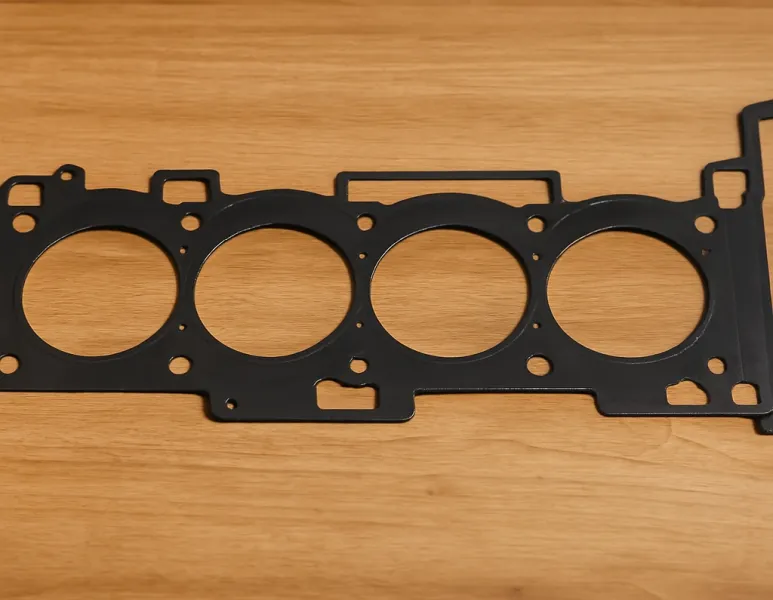
The cylinder head gasket (also known as the head gasket) is a crucial component in a vehicle’s internal combustion engine. It’s a seal located between the engine block and the cylinder head, ensuring an airtight seal around the cylinders to prevent leaks of gases, oil, or coolant.
Though small in size, this component plays a critical role: maintaining compression within the engine and preventing fluids from mixing or leaking externally.
Main Functions of the Cylinder Head Gasket
- Compression sealing: Keeps the pressure generated during combustion inside the cylinders.
- Fluid isolation: Prevents oil and coolant from mixing or leaking into the cylinders.
- Engine protection: Proper sealing helps maintain optimal engine operating conditions.
Common Materials
Cylinder head gaskets can be made from various materials depending on engine design:
- Multi-layer steel (MLS): Very common in modern vehicles, offering strength and durability.
- Graphite composites: Flexible and tolerant of high temperatures.
- Copper: Used in high-performance or racing engines due to excellent thermal conductivity.
Symptoms of a Damaged Cylinder Head Gasket
A faulty head gasket can cause serious engine problems. Common signs include:
- Engine overheating.
- White smoke from the exhaust (burning coolant).
- Presence of oil in the coolant or vice versa.
- Loss of engine power.
- Unusual coolant or oil consumption.
- Pressure buildup in the cooling system.
Causes of Cylinder Head Gasket Failure
- Engine overheating: The most common cause. Prolonged exposure to high temperatures can warp the cylinder head and cause gasket failure.
- Natural wear: Over time, depending on engine use and maintenance, the gasket may deteriorate.
- Incorrect torque: Improper installation of the cylinder head (not following the recommended torque specs) can damage the gasket.
Repair and Replacement
When a head gasket fails, the only effective solution is replacement. This procedure involves:
- Removing the cylinder head from the engine.
- Inspecting and, if necessary, resurfacing the head to ensure it’s flat.
- Installing a new gasket according to manufacturer specifications.
- Reassembling the engine with the correct torque.
Due to the complexity of this task, it’s recommended to have it performed by a qualified mechanic.