The Brake Disc
The brake disc is one of the most important components of an automobile's braking system. Its primary function is to allow the vehicle to slow down or stop safely by transforming the energy of motion into heat through friction. Keeping the brake disc in good condition is key to the safety of the driver, passengers, and other road users.
What is a brake disc and how does it work?
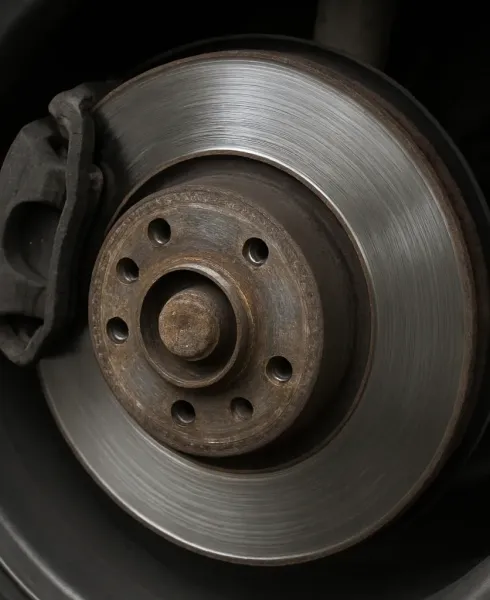
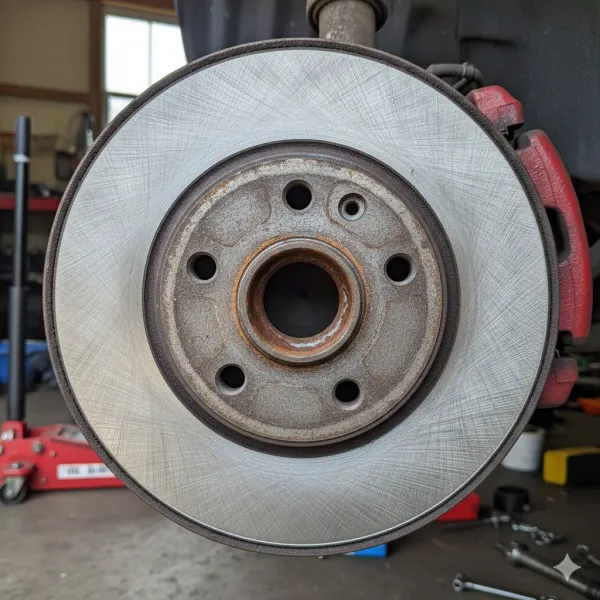
The brake disc is a metal part, generally made of cast iron or steel, which is attached to the wheel axle. When the driver presses the brake pedal, the brake pads press against both sides of the disc thanks to the action of the brake caliper. This friction generates heat and causes the wheel to decrease its speed until it stops.
The greater the pressure applied, the greater the braking force will be. Therefore, the disc must be resistant to both heat and wear.
Types of brake discs
There are several types of brake discs designed for different needs and driving styles:
-
Solid Discs: These are the most common in economy vehicles or on the rear axle. They have a simple structure and are more affordable.
-
Ventilated Discs: They incorporate internal channels that help dissipate heat. They are widely used on the front axle.
-
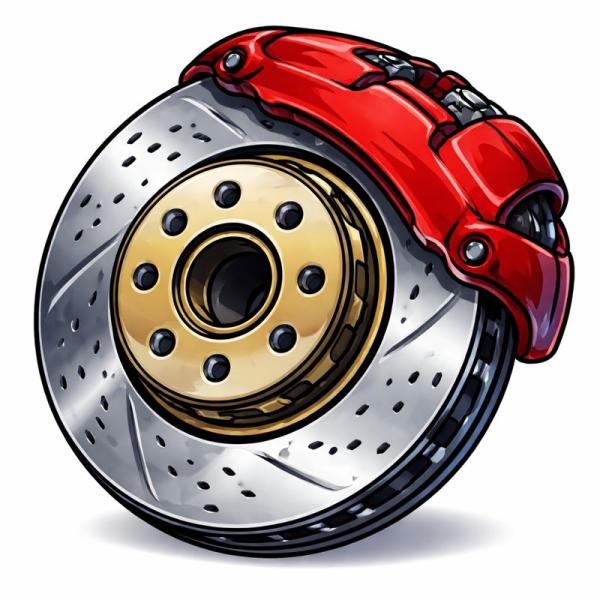
Drilled Discs: These have holes that improve cooling and performance during demanding braking.
-
Slotted Discs: They feature grooves that clean the pads and maintain better friction.
-
Ceramic or High-Performance Discs: Used in sports cars, they offer excellent heat resistance and lower wear, although their cost is high.
Wear and warning signs
With use, the brake disc wears down naturally. Some signs that it may need inspection or replacement include:
-
Vibrations in the steering wheel when braking.
-
Metallic noises or squealing.
-
Increased braking distance.
-
Visible grooves or deformations on the disc.
Ignoring these symptoms can lead to serious failures in the braking system.
Maintenance and replacement
Brake discs should be checked periodically, especially when the pads are changed. In many cases, pads wear out faster than the disc, but using heavily worn pads can damage the disc.
Disc replacement should occur when it reaches the minimum thickness recommended by the manufacturer. Keeping the braking system in good condition not only improves safety but also prevents more expensive repairs.
Importance for safety
A brake disc in poor condition reduces braking capacity and increases the risk of accidents. Therefore, it is essential to use quality spare parts and perform preventive maintenance. The braking system is, without a doubt, one of the most critical elements of any vehicle.