The Thermostat
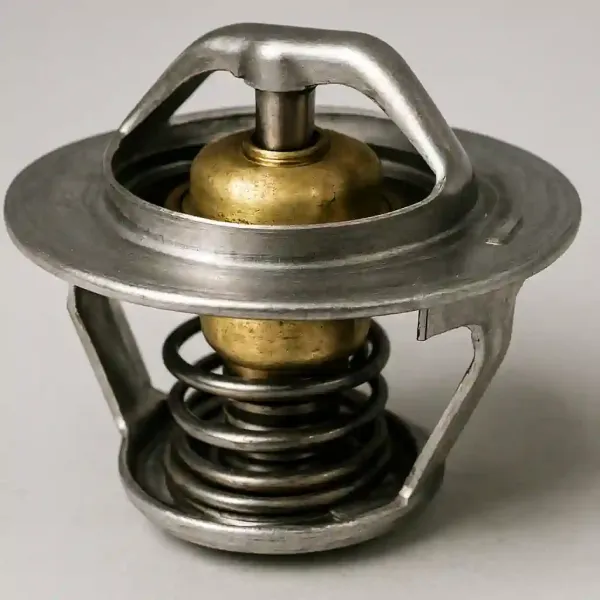
The car’s thermostat is one of those parts that often goes unnoticed but plays a crucial role in the proper functioning of the engine. It is designed to regulate the temperature of the coolant, ensuring that the engine always operates within an optimal range. When this component fails, serious issues can occur, such as overheating, excessive fuel consumption, or even damage to the head gasket.
In this article, I’ll explain what it is, how it works, the symptoms of failure, and some maintenance tips.
What is the thermostat and what is its function?
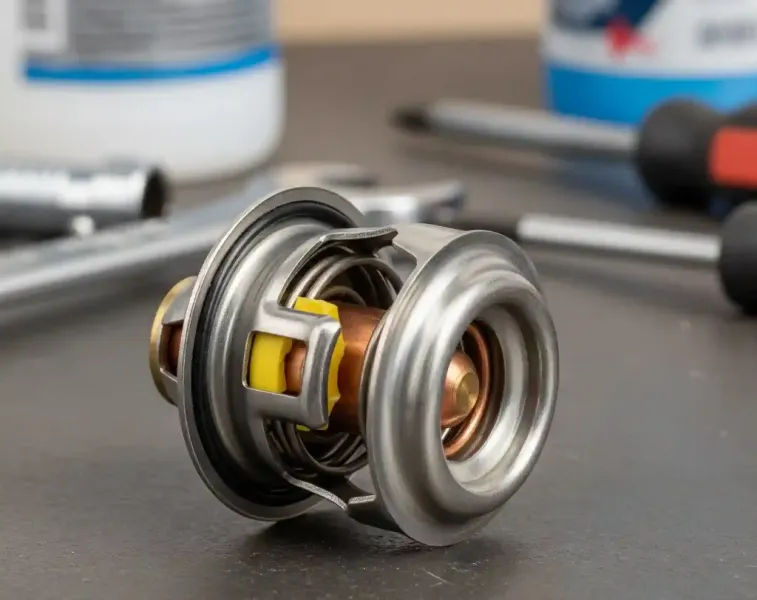
The thermostat is a mechanical valve located in the engine’s cooling system, usually between the radiator and the engine block. Its main function is to regulate the coolant flow to maintain a stable and proper temperature.
- Cold engine: The thermostat remains closed, preventing coolant from flowing to the radiator. This allows the engine to quickly reach its ideal operating temperature.
- Hot engine: When the coolant temperature reaches a specific level (usually between 85°C and 95°C), the thermostat opens and allows the fluid to flow into the radiator to cool down.
- Constant control: By opening and closing according to the temperature, the thermostat keeps the engine within an efficient thermal range.
The importance of the thermostat in vehicle performance
A properly working thermostat ensures that:
- The engine runs at its optimal temperature.
- Fuel consumption is efficient.
- The cooling system functions correctly.
- Internal wear on parts is reduced.
- Serious damage from overheating or low temperatures is avoided.
When the thermostat fails, engine temperature becomes uncontrolled, which can lead to costly mechanical problems.
Symptoms of a faulty thermostat
There are several signs that may indicate your car’s thermostat needs inspection or replacement:
-
Engine overheating
If the thermostat gets stuck in the closed position, coolant won’t circulate and the engine will overheat quickly. -
Engine not reaching proper temperature
If it remains open, the engine will take too long to warm up, leading to inefficient operation and higher fuel consumption. -
Sudden fluctuations in the temperature gauge
Rapid jumps on the temperature indicator may be a sign that the thermostat isn’t regulating coolant flow properly. -
Coolant leaks
When the system operates under extreme temperatures, leaks may occur due to excess pressure.
Tips to care for and maintain the thermostat
- Regularly check the cooling system: Include the coolant level, radiator, and hoses.
- Use quality coolant: Avoid using only water, as it can cause internal corrosion.
- Replace the thermostat when necessary: If you notice failure symptoms, don’t delay; it’s a low-cost part compared to the damage it can prevent.
- Inspect at certain mileage intervals: Some manufacturers recommend replacement every 60,000 to 100,000 km or every 4 to 5 years, depending on the model.
The thermostat is a small but essential component for the engine’s health. Keeping it in good condition helps prevent overheating, improves performance, and extends the vehicle’s lifespan. If you notice changes in engine temperature, don’t ignore them: timely diagnosis can save you from expensive repairs.