Clutch Master Cylinder
The clutch master cylinder is a crucial component in manual transmission systems. Its main function is to transfer the force applied by the driver on the clutch pedal to the slave cylinder using hydraulic pressure, allowing the engine to disengage from the transmission and enabling smooth and efficient gear shifting.
1. What Is a Clutch Master Cylinder?
The clutch master cylinder is a hydraulic device typically located near the clutch pedal. It contains an internal piston that, when the pedal is pressed, pushes the hydraulic fluid (usually DOT3 or DOT4 brake fluid) through a line to the slave cylinder.
The slave cylinder, in turn, operates the clutch fork, which separates the clutch disc from the flywheel, making it possible to change gears.
In simple terms:
Pedal → Master Cylinder → Hydraulic Pressure → Slave Cylinder → Clutch Disengagement
2. Main Components
The clutch master cylinder is made up of several key parts:
-
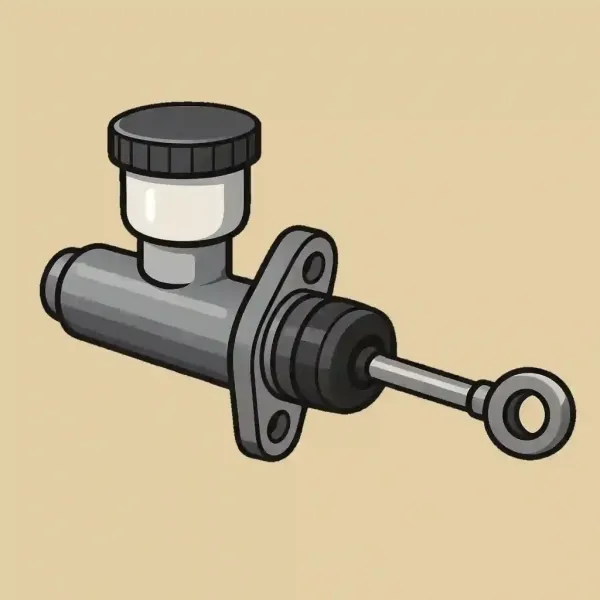
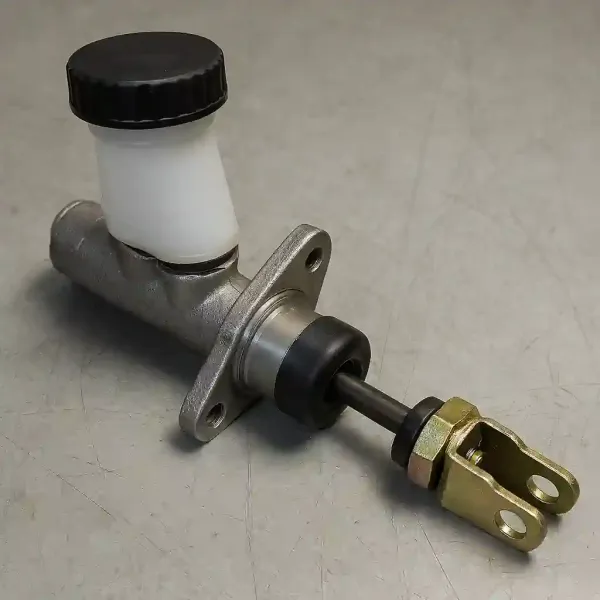
Main Cylinder → Houses the piston that generates hydraulic pressure.
-
Internal Piston → Moves when the pedal is pressed, pushing the fluid forward.
-
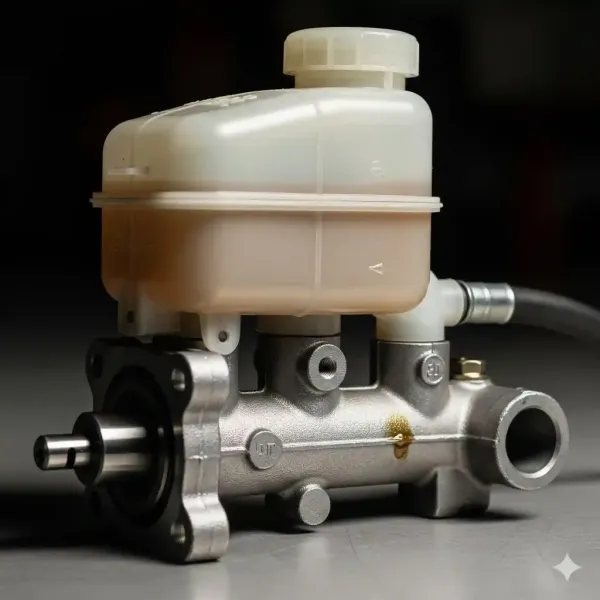
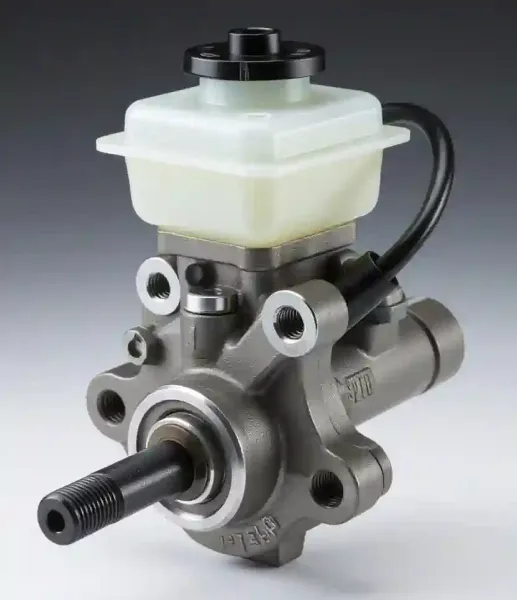
Fluid Reservoir → Stores the hydraulic fluid required by the system.
-
Seals and Gaskets → Prevent fluid leaks and help maintain consistent pressure.
-
Inlet and Outlet Ports → Connect the reservoir, pedal, and the line leading to the slave cylinder.
3. Symptoms of a Failing Clutch Master Cylinder
When the clutch master cylinder begins to fail, the hydraulic system loses pressure, which can cause several noticeable problems. The most common symptoms include:
-
Spongy or Sunken Clutch Pedal → The pedal feels soft or doesn’t return to its normal position.
-
Difficulty Shifting Gears → Especially when shifting from neutral into first gear or reverse.
-
Fluid Leaks → Visible spots near the pedal area or under the engine bay.
-
Low Fluid Level → Indicates possible wear, leaks, or internal damage.
-
Loss of Hydraulic Pressure → You may need to pump the pedal several times before it works.
4. Maintenance and Recommendations
The clutch master cylinder generally doesn’t require frequent maintenance, but preventive care is essential for its longevity:
-
Check the hydraulic fluid level at least once a month.
-
Always use the recommended fluid type (DOT3 or DOT4).
-
Inspect seals, hoses, and connections periodically for potential leaks.
-
Bleed the hydraulic system if the pedal feels spongy or if air enters the system.
-
Replace the clutch master cylinder if there are signs of internal wear or major fluid leaks.
5. Conclusion
The clutch master cylinder may be a small part, but it plays a critical role in the proper operation of the clutch system. Performing preventive maintenance and identifying issues early can help avoid costly repairs and extend the overall life of the transmission.
If you experience problems with the clutch pedal or find it difficult to shift gears, it’s highly recommended to inspect the master cylinder and replace it if necessary, along with a complete hydraulic system bleed.