🚗 Effective Fuel-Saving Techniques
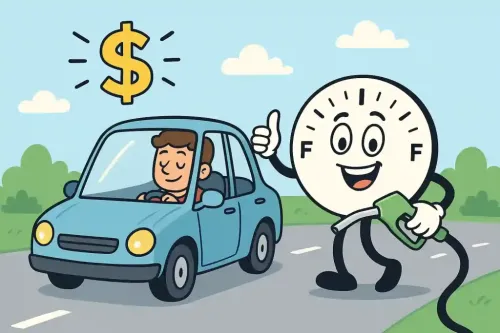
Fuel prices remain a significant expense for any driver. Moreover, efficient use not only benefits your wallet but also helps the environment by reducing CO₂ emissions. Applying certain driving and vehicle maintenance techniques can make a real difference.
🔑 Fuel-Saving Techniques
-
Drive smoothly
Avoid sudden acceleration and hard braking. Calm, steady driving can reduce fuel consumption by up to 15%. -
Maintain a constant speed
Using the right gear and keeping a steady pace on the road reduces engine strain and optimizes fuel usage. -
Use air conditioning moderately
Air conditioning can increase fuel consumption by up to 20%. Use it only when necessary, and for short trips, it's better to open the windows. -
Check tire pressure
Underinflated tires create more resistance and force the engine to work harder. Check tire pressure at least once a month. -
Avoid excess weight
Every extra kilogram makes the engine consume more energy. Remove unnecessary items from the trunk and avoid roof racks if you're not using them. -
Turn off the engine during long stops
If you're stopping for more than a minute, turning off the engine is more efficient than idling. -
Anticipate traffic
Keep your eyes on the road, anticipate traffic lights and congestion to brake less and take advantage of the vehicle’s momentum. -
Perform regular maintenance
Clean filters, good oil, and a well-maintained engine operate more efficiently and consume less fuel. -
Plan your routes
A shorter or less congested route saves time and fuel. Use navigation apps to avoid traffic jams. -
Optimize aerodynamics
Driving with windows down on highways or using accessories like roof racks increases air resistance. Keep the vehicle as aerodynamic as possible. -
Take advantage of downhill slopes
When driving downhill, use gravity to maintain speed without accelerating. Keep your foot off the gas and use the brake only when necessary to control speed. This allows the engine to work less and reduces fuel consumption.
Saving fuel isn’t just about gas station prices—it’s about how we use our cars every day. With small changes in driving habits and proper maintenance, you can cut costs, take care of your vehicle, and help protect the environment.