The Fuel Pump in the Automobile
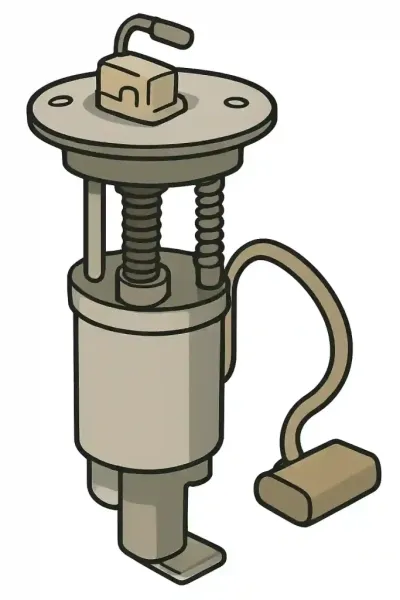
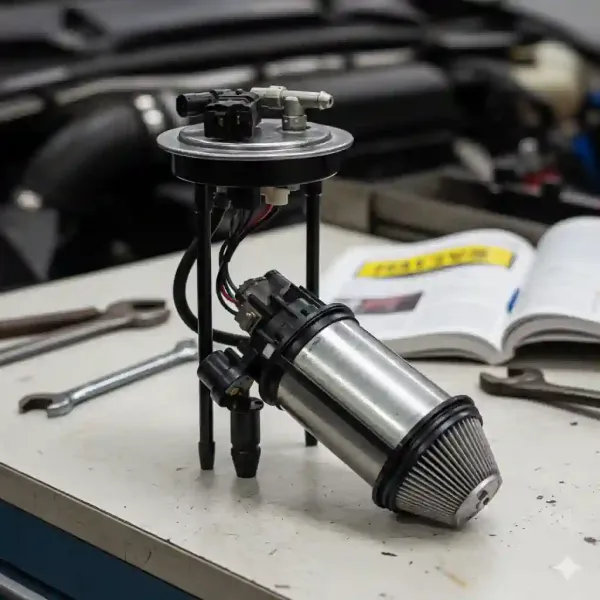
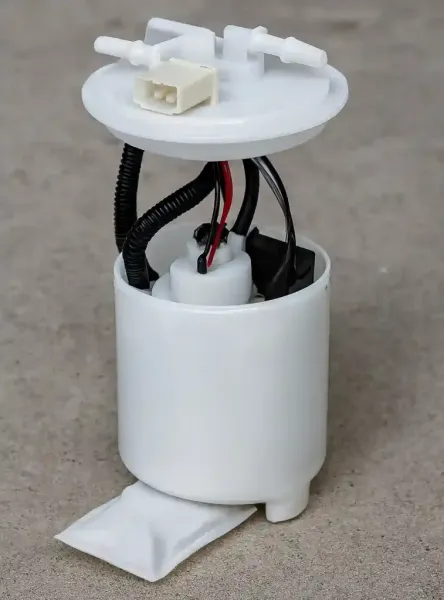
The fuel pump is a fundamental component in a vehicle’s fuel delivery system. Its main function is to transfer gasoline from the tank to the engine, ensuring that it arrives with the proper pressure and flow rate for optimal performance. Without it, the engine would not receive the necessary fuel for combustion.
Types of Fuel Pumps
There are two main types:
-
Mechanical Pump: used in older vehicles with carburetors. It operates through a mechanical motion linked to the camshaft and delivers fuel at low pressure.
-
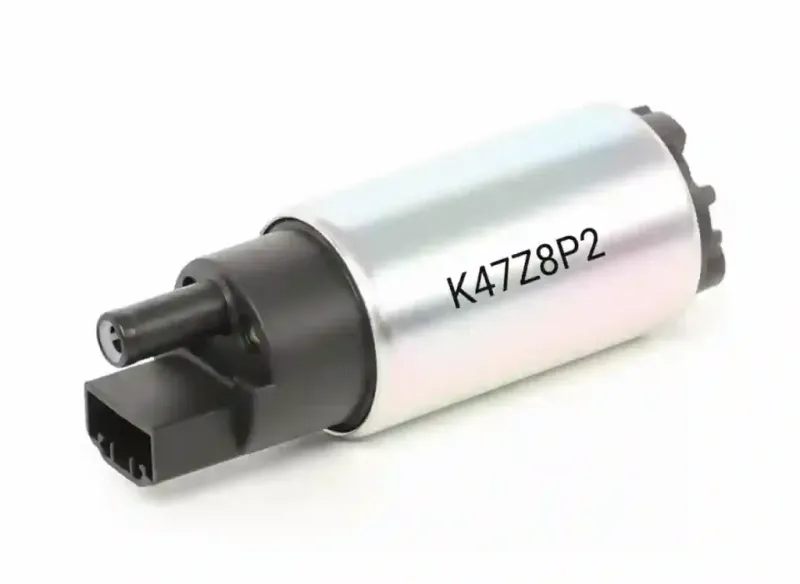
Electric Pump: found in most modern cars with electronic fuel injection. It is generally located inside the fuel tank and works with an electric motor that sends gasoline at a constant pressure to the injectors.
Symptoms of a Faulty Fuel Pump
When the pump begins to fail, the vehicle may show signs such as:
-
Difficulty starting or loss of power.
-
Jerking or hesitation during acceleration.
-
Strange noises from the tank (loud or irregular humming).
-
Sudden engine stalls.
Maintenance and Care
Although the pump does not require frequent maintenance, it is important to take preventive measures:
-
Keep the tank with enough fuel, as gasoline helps cool and lubricate the pump.
-
Periodically replace the fuel filter to avoid blockages.
-
Use good-quality fuel, free from impurities that could damage the system.
Conclusion
The fuel pump is the heart of the automobile’s fuel system. Its proper operation ensures that the engine receives the necessary amount of fuel at all times. With proper care and attention to signs of failure, its lifespan can be extended and costly repairs avoided.