The Clutch Cable
In vehicles with manual transmission, the clutch is a key component for shifting gears smoothly and safely. Within the clutch system, one of the most important—yet often overlooked—elements is the clutch cable. This small but essential part is responsible for transmitting the force from the driver’s pedal to the clutch mechanism.
What Is the Clutch Cable?
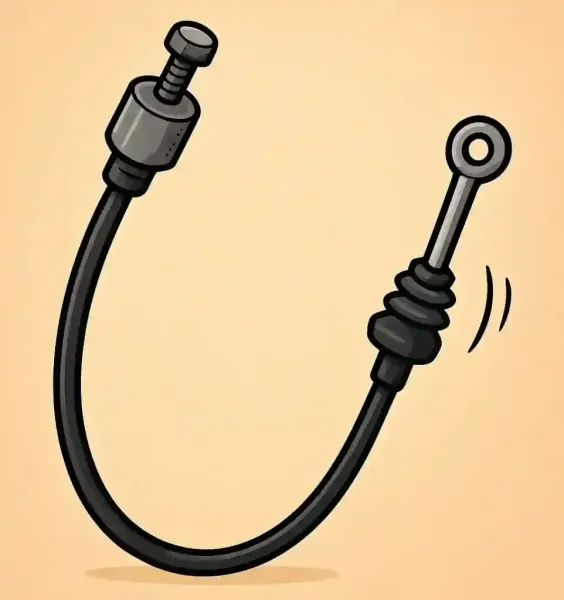
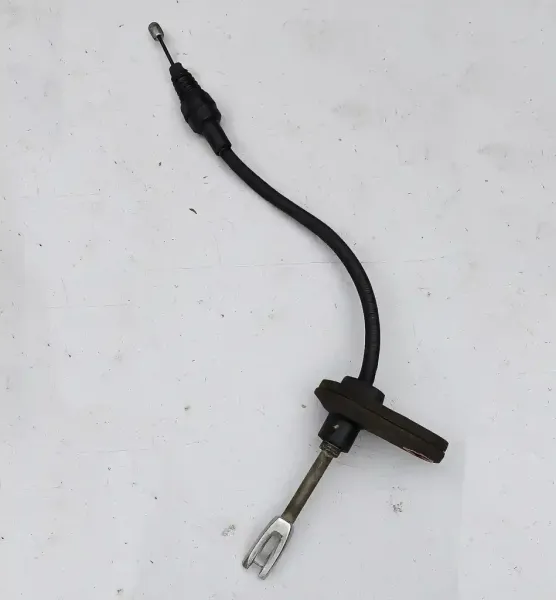
The clutch cable is a steel wire covered with a protective sheath, designed to withstand pulling forces. Its main function is to connect the clutch pedal to the clutch fork or lever, thereby activating the mechanism that disengages the engine from the gearbox when the pedal is pressed.
When you press the clutch pedal, the cable pulls the disengagement mechanism (either a fork or a cam), allowing you to shift gears without damaging the transmission gears.
How Does It Work?
- The driver presses the clutch pedal.
- The movement is transmitted through the cable to the gearbox.
- The cable activates the clutch fork, which separates the clutch disc from the engine flywheel.
- This disengages the engine from the transmission, allowing gear changes.
- When the pedal is released, the cable returns to its original position thanks to a return spring.
What Are the Symptoms of a Damaged Clutch Cable?
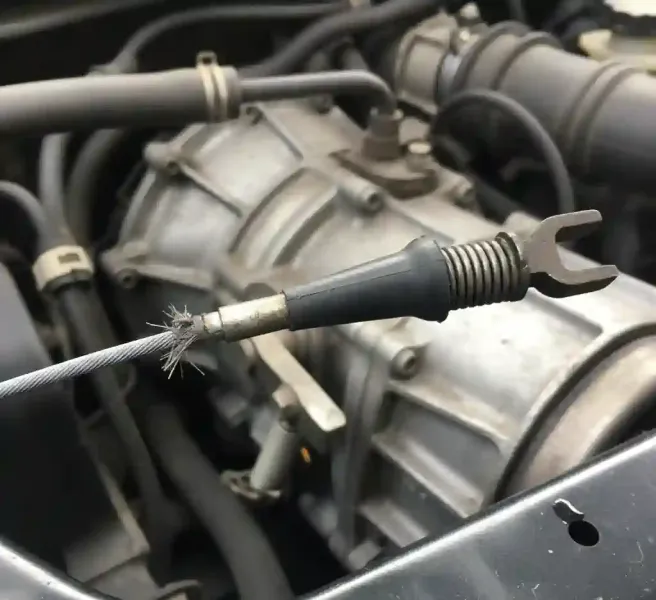
Although it's a durable component, the clutch cable can wear out over time. Common signs of failure include:
- Difficulty shifting gears.
- Clutch pedal feels too stiff or too loose.
- Strange noises when pressing the pedal.
- Pedal doesn’t return to its original position.
- Complete cable breakage, preventing clutch operation.
Is It the Same as a Hydraulic System?
No. Some modern vehicles use hydraulic clutches, which rely on fluid and cylinders to perform the same function. However, clutch cables are still common in many cars, especially older or budget models. It’s a simpler system that’s easier to maintain, though it requires periodic adjustments and eventual replacement.
How Is It Replaced?
Replacing the clutch cable isn’t particularly complicated, but it does require certain tools and basic mechanical knowledge:
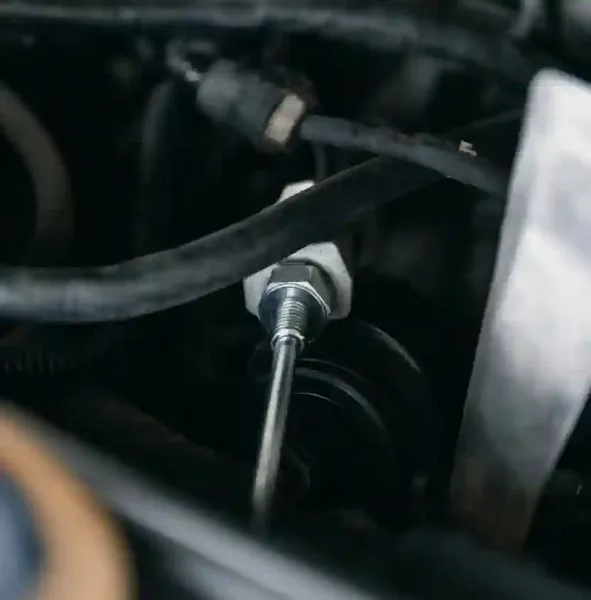
- The old cable is removed by disconnecting its ends (at the pedal and the fork).
- The new cable is installed following the same route.
- Tension is adjusted to ensure proper pedal operation.
- The clutch is tested with the engine off and then on to verify correct function.
If you’re inexperienced, it’s recommended to have a professional mechanic perform this procedure.
Clutch Cable Maintenance
- Lubrication: Some cables may need periodic lubrication to prevent excessive friction.
- Adjustment: Make sure the cable tension is correct. A loose or overly tight cable can cause premature wear.
- Visual Inspection: Check for cracks, rust, or worn areas on the cable or its sheath.
Conclusion
The clutch cable is a discreet but vital part of vehicles with manual transmission. Its proper function ensures smooth and safe gear changes. Although maintenance is relatively simple, it should not be neglected, as a faulty cable can leave you stranded and cause major damage to the transmission system.
Keeping it in good condition is a smart way to extend the clutch’s lifespan and improve your driving experience.