Spark Plug Wires
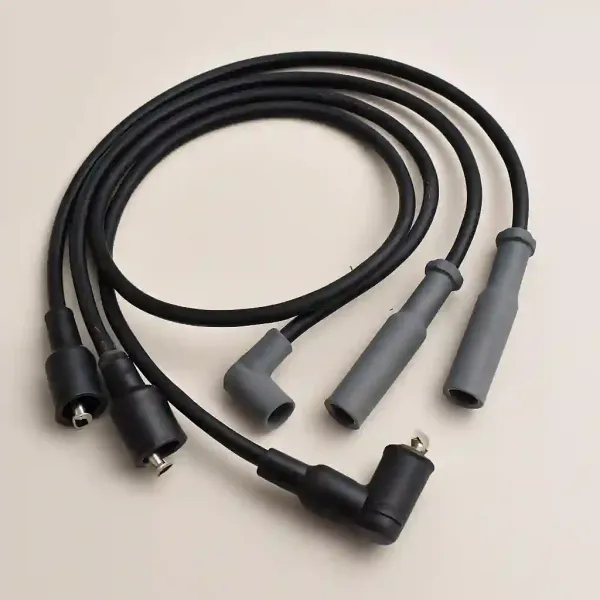
Spark plug wires, also known as ignition wires, are essential components in the combustion system of gasoline engines. Although they often go unnoticed compared to more visible parts like the spark plugs or the battery, their function is vital for the engine to start and run optimally.
What are spark plug wires?
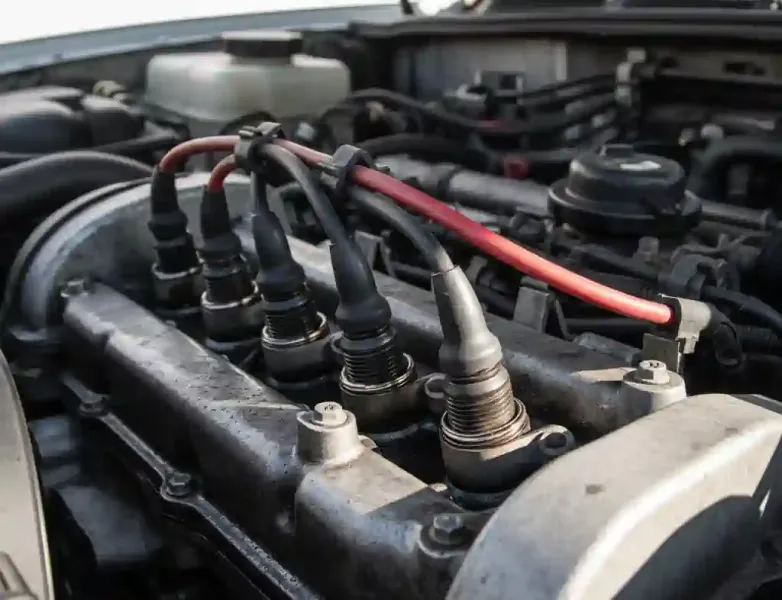
They are electrical conductors covered with insulating material, designed to carry the high voltage generated by the ignition coil to the spark plugs. Thanks to them, the spark that ignites the air-fuel mixture in the cylinders is produced.
Main functions
-
Current transmission: They deliver the voltage from the coil to each spark plug without significant loss.
-
Insulation: They prevent current leaks to other metallic parts of the engine.
-
Synchronization: They ensure that each spark plug receives the spark at the exact moment, according to the engine’s firing order.
Symptoms of faulty spark plug wires
Over time, heat, vibration, and humidity deteriorate the wires. Some signs of failure include:
-
Difficulty starting the engine.
-
Jerking or misfiring during acceleration.
-
Loss of power.
-
Higher-than-normal fuel consumption.
-
Irregular spark plug ignition.
Maintenance and replacement
Manufacturers usually recommend checking spark plug wires every 30,000 to 50,000 kilometers. It is important to inspect them visually for cracks, hardening, or corrosion on the connectors. If they show wear, they should be replaced as a set to ensure balanced performance.
Although spark plug wires are relatively inexpensive components, their proper condition directly affects performance, fuel consumption, and the engine’s lifespan. Keeping them in good shape is a simple investment that ensures reliable ignition and a more efficient engine.