Spark Plugs
Spark plugs are essential components in the operation of an internal combustion engine. Although they are small and inexpensive parts, they play a crucial role in vehicle performance, fuel consumption, and emissions. Proper spark plug maintenance can make the difference between an efficient engine and a problematic one.
In this article, we will explore what they are, how they work, when to replace them, and some tips to extend their lifespan.
1. What are spark plugs and what is their function?
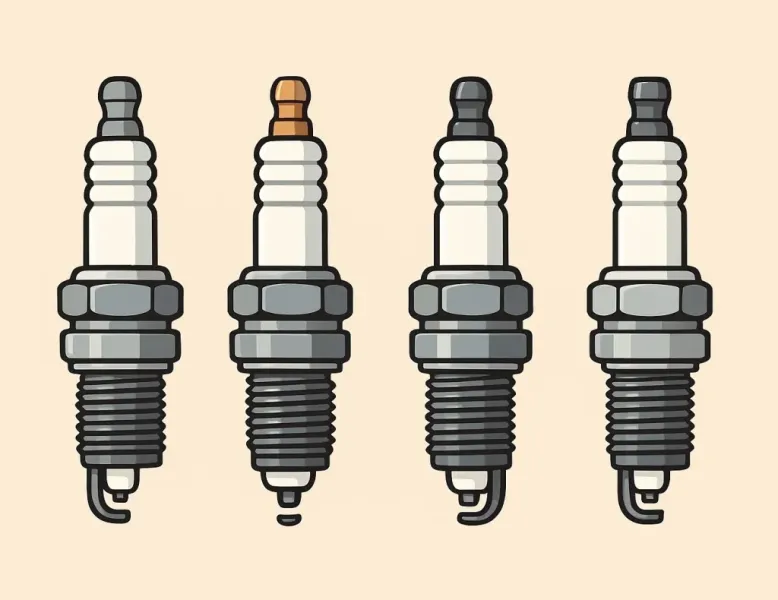
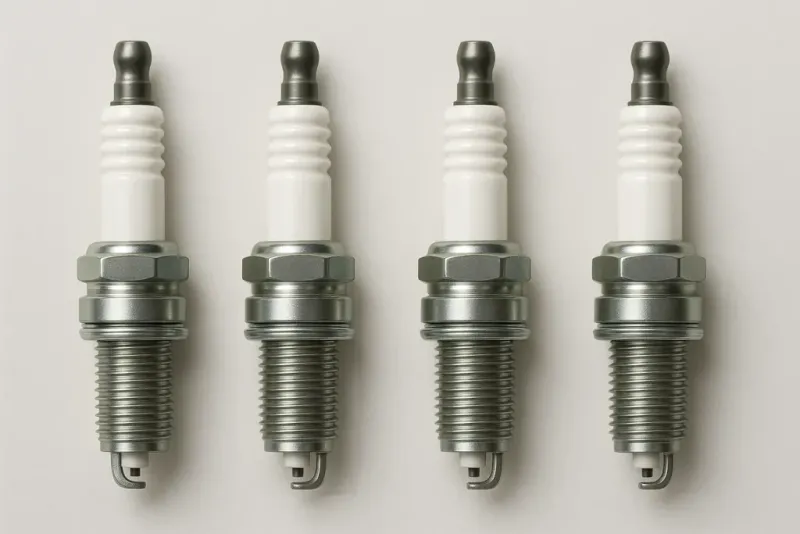
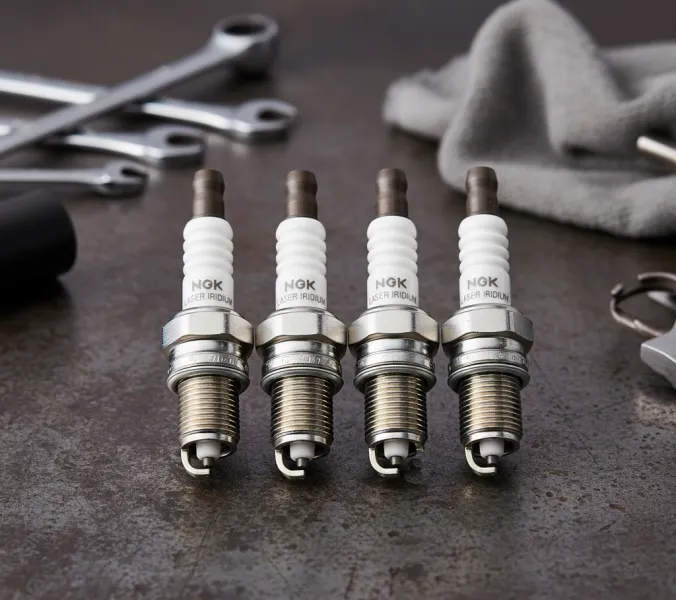
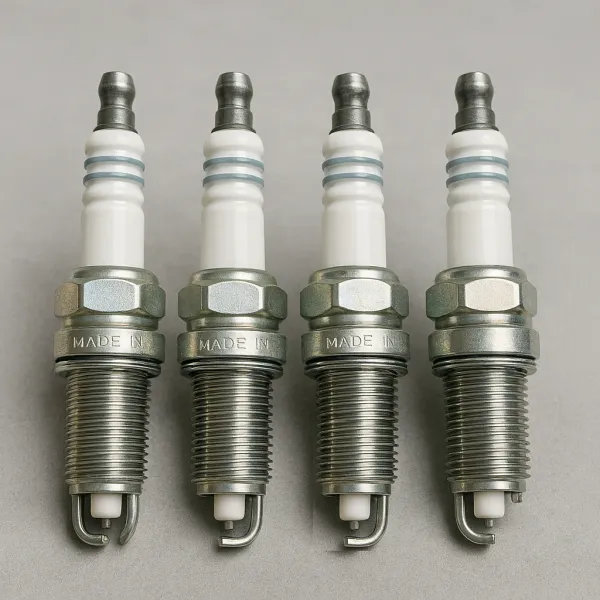
Spark plugs are devices installed in the engine’s cylinder head whose main function is to ignite the air-fuel mixture inside the combustion chamber. This is achieved through an electric spark generated between their electrodes.
When the ignition coil sends high voltage to the spark plug, the electricity jumps across a small gap between the electrodes, creating a spark that triggers combustion. This process happens thousands of times per minute and is what allows the engine to run continuously.
In summary, spark plugs perform three main functions:
-
Ignition: They generate the spark needed to start combustion.
-
Efficiency: They influence fuel consumption and engine power.
-
Emission control: Proper combustion reduces harmful gas emissions.
2. Types of spark plugs
There are several types of spark plugs, and their lifespan varies depending on the electrode material:
-
Copper spark plugs: 20,000 to 30,000 km
-
Platinum spark plugs: 60,000 to 90,000 km
-
Iridium spark plugs: 90,000 to 120,000 km
-
Double platinum or iridium spark plugs: Up to 150,000 km
3. Lifespan and maintenance
On average, spark plugs last between 30,000 and 100,000 km, depending on the type and fuel quality. However, factors such as aggressive driving, injection failures, oil in the chamber, or poor-quality fuel can shorten their lifespan.
Common symptoms of worn or faulty spark plugs include:
-
Difficulty starting the engine.
-
Loss of power and slow acceleration.
-
Increased fuel consumption.
-
Unusual vibrations at idle.
-
Illuminated “Check Engine” light.
4. Tips to extend their lifespan
-
Regular inspections: Check spark plug condition every 20,000 km or as recommended in the manufacturer’s manual.
-
Use quality fuel: Low-quality gasoline produces more carbon deposits.
-
Maintain the ignition system: Coils, wires, and sensors must be in good condition.
-
Follow manufacturer recommendations: Always use the correct type of spark plug for your engine.
5. Conclusion
Spark plugs are small but vital. Proper maintenance not only extends their lifespan but also optimizes engine performance, improves fuel economy, and reduces harmful emissions.
As a general rule, inspecting them regularly and replacing them on time will help prevent major issues and ensure your vehicle continues to run efficiently.