The Automotive Catalytic Converter
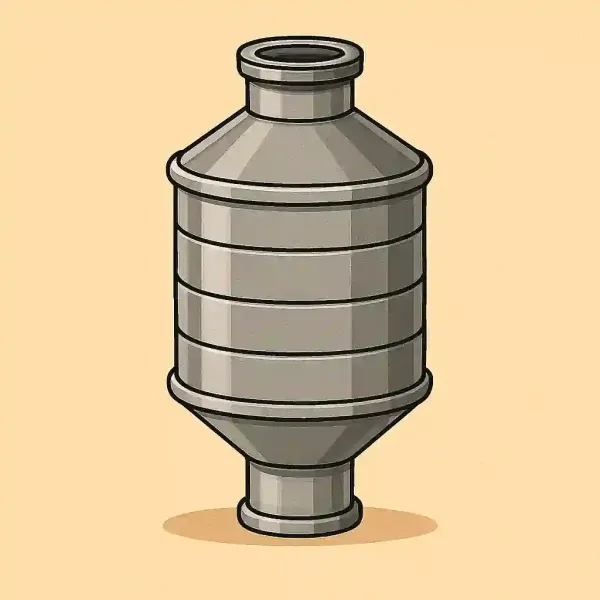
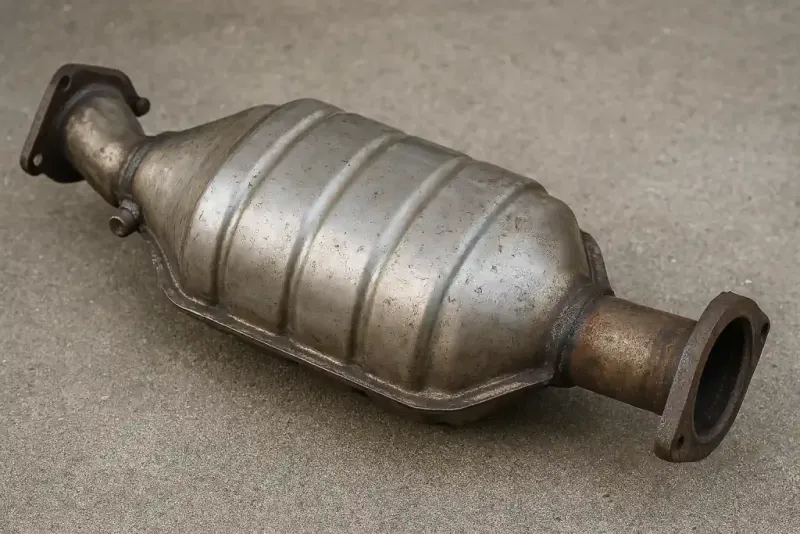
The automotive catalytic converter, also known simply as a “catalytic converter,” is one of the most important components in a modern vehicle’s exhaust system. Its primary function is to reduce the emission of harmful gases produced during engine combustion, helping protect the environment and comply with increasingly strict environmental regulations.
What Is a Catalytic Converter?
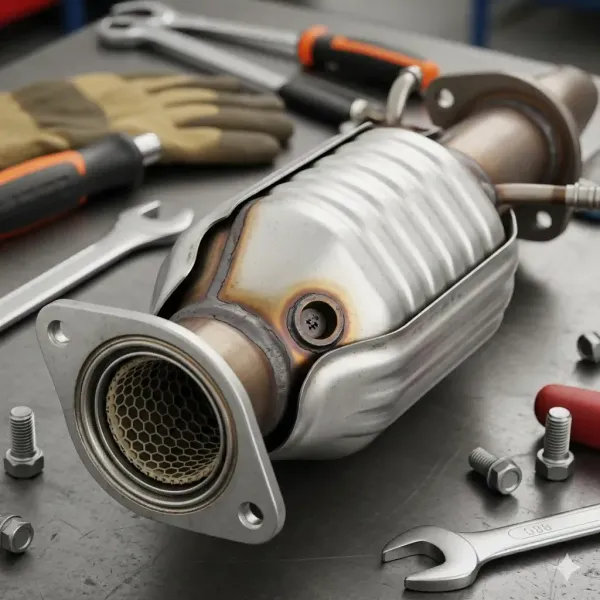
It’s a metal device located along the exhaust line, containing a honeycomb-shaped ceramic structure coated with precious metals such as platinum, palladium, and rhodium. These metals act as catalysts, accelerating chemical reactions without being consumed in the process.
How Does It Work?
As exhaust gases pass through the converter, three main reactions occur:
- Reduction of nitrogen oxides (NOx): Converted into nitrogen (N₂) and oxygen (O₂).
- Oxidation of carbon monoxide (CO): Transformed into carbon dioxide (CO₂).
- Oxidation of unburned hydrocarbons (HC): Converted into carbon dioxide (CO₂) and water (H₂O).
This process significantly reduces the toxicity of the gases released into the atmosphere.
Lifespan and Maintenance
A well-functioning catalytic converter can last between 80,000 and 150,000 kilometers, depending on the type of vehicle and driving habits. However, it can be damaged prematurely by:
- Poor-quality fuel.
- Combustion issues (faulty spark plugs, excess oil, incorrect air-fuel mixture).
- Impacts to the exhaust system.
Symptoms of a damaged converter include loss of power, increased fuel consumption, strong exhaust odors, and the “Check Engine” warning light turning on.
Environmental and Legal Importance
The catalytic converter not only helps protect the air we breathe, but it’s also a legal requirement in most countries. Driving with a faulty converter can result in fines, failed vehicle inspections, and a negative impact on public health.