Control Arms or Suspension “V” Arms
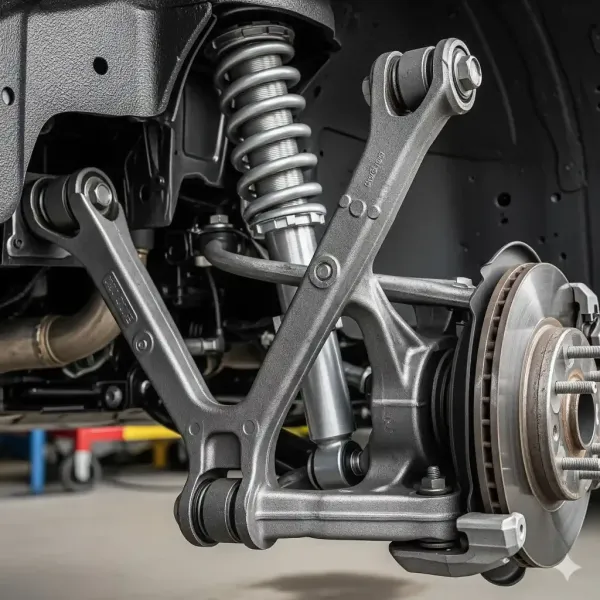
In a vehicle’s suspension system, the “V” or control arms are essential components that connect the chassis to the wheel assembly. Their main purpose is to maintain vehicle stability, absorb impacts, and ensure the wheels remain at the correct angle and position—even on uneven terrain.
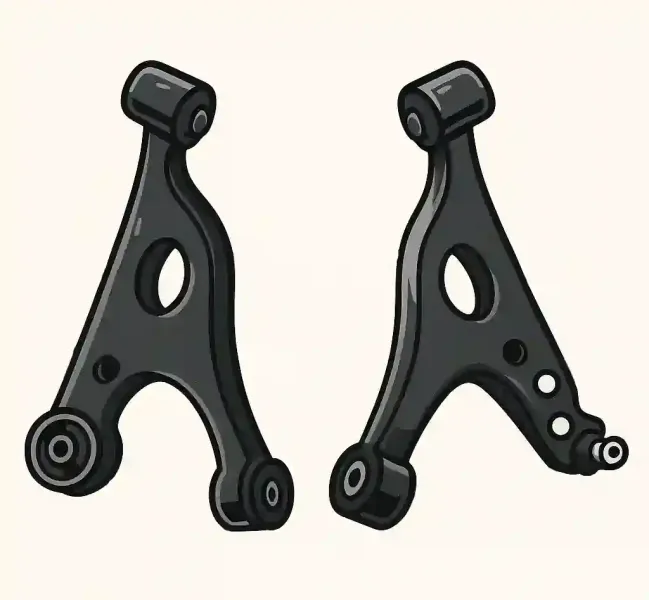
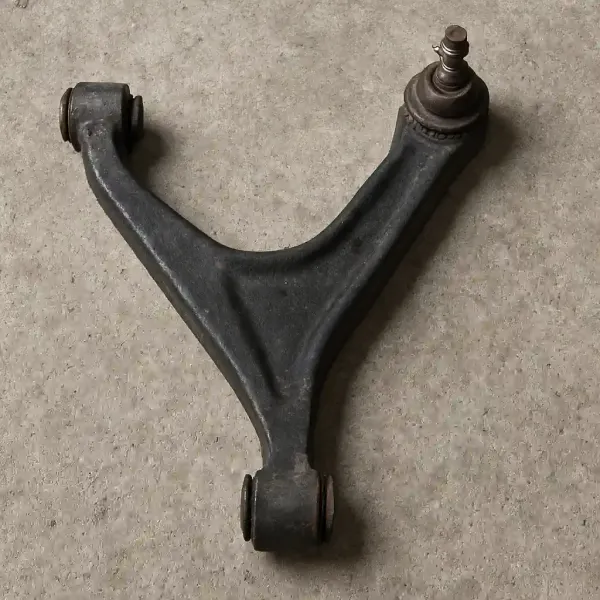
These arms typically have a V or L shape and are made of steel, aluminum, or reinforced alloys, depending on the vehicle’s design. They are a key part of the front or rear axle assembly and work in conjunction with shock absorbers, springs, and bushings to provide comfort, safety, and control while driving.
Main Functions of Control Arms
Control arms not only support the wheel but also play a crucial role in vehicle dynamics. Their primary functions include:
- Connecting the wheel to the chassis They maintain a structural link between the suspension and the body.
- Controlling vertical movement They allow the wheel to move up and down smoothly when driving over bumps or irregular surfaces.
- Maintaining alignment and stability Thanks to their mounting points and bushings, they help the wheel maintain the correct angle, preventing uneven tire wear.
- Absorbing vibrations and noise Rubber or polyurethane bushings reduce the impact and noise transmitted into the cabin.
Types of Control Arms
Depending on the vehicle’s design, control arms vary in size, material, and shape. The main types include:
-
V-Shaped Control Arm (V-Wishbone)
- Two mounting points on the chassis and one at the wheel hub.
- Offers greater stability and cornering control.
- Common in mid- to high-end vehicles.
-
L-Shaped Control Arm (L-Wishbone)
- Similar to the V-type but with a different geometry.
- Generally more compact and used in smaller cars.
-
Multilink Arms
- Some modern vehicles use multiple arms per wheel.
- Allow for more precise suspension tuning, improving comfort and grip.
Symptoms of Damaged Control Arms
Over time, the bushings and ball joints in control arms wear out. Common signs of failure include:
- 🔹 Clunking or metallic noises when driving over bumps
- 🔹 Steering wheel vibrations at high speeds
- 🔹 Uneven tire wear
- 🔹 Loss of stability during cornering or braking
- 🔹 Unstable or misaligned steering
If any of these symptoms appear, it’s important to inspect the control arms and replace them if necessary to prevent further damage.
Maintenance and Recommendations
Although control arms are robust components, they require periodic inspection:
- ✅ Check bushings and ball joints every 20,000 to 30,000 km
- ✅ Verify wheel alignment after replacing arms or shock absorbers
- ✅ Lubricate moving parts if the design allows
- ✅ Avoid harsh impacts with potholes or curbs
In case of damage, it’s recommended to replace the entire arm rather than just the bushings—especially in modern vehicles—to ensure better performance and durability.
Conclusion
Control arms are a key component for driving safety and comfort. Well-maintained arms ensure better grip, stability, and tire longevity. If you notice strange noises, vibrations, or steering issues, timely inspection can prevent major failures and keep your vehicle in optimal condition.