The Automobile Differential
The differential is one of the most important components of a vehicle’s transmission system. It often goes unnoticed because it’s housed within the axle assembly, but without it, driving would be uncomfortable, dangerous, and damaging to the tires and transmission.
What is the differential?
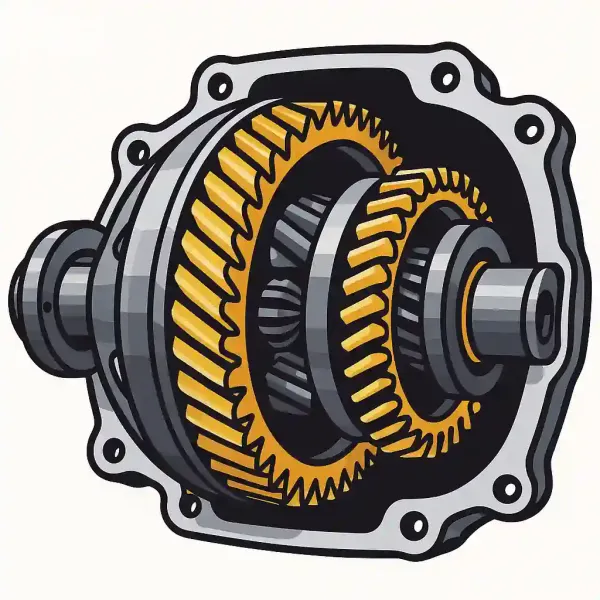
The differential is a gear mechanism that transmits engine power to the drive wheels, allowing them to rotate at different speeds when the vehicle turns.
When a car makes a turn, the outer wheel travels a greater distance than the inner one. If both wheels rotated at the same speed, it would cause stress on the axles, loss of traction, and premature tire wear. The differential solves this issue by balancing the rotational speeds.
Main Components
A typical differential consists of:
- Ring and pinion gears: Transfer motion from the driveshaft to the differential assembly.
- Side and spider gears: Allow the wheels to rotate at different speeds during turns.
- Differential case: The housing that contains the gears.
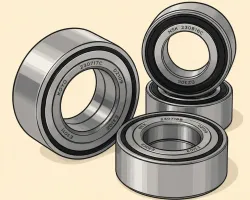
- Bearings: Reduce friction and enable smooth movement.
Types of Differentials
There are several types depending on traction needs:
- Open (standard) differential: The most common type; it distributes torque evenly but may lose traction if one wheel slips.
- Limited-slip differential (LSD): Reduces wheel slippage, improving traction on slippery surfaces.
- Locking differential: Used in off-road vehicles; it locks both wheels to rotate at the same speed.
- Electronic differential: Controlled by electronic systems that simulate the limited-slip effect using brakes and sensors.
Importance in Driving
The differential enhances safety, comfort, and durability:
- Facilitates turning by allowing different wheel speeds.
- Prevents uneven tire wear.
- Protects the transmission and axles from excessive stress.
- Improves traction on various terrains.
Differential Maintenance
Though robust, the differential requires basic care:
- Differential oil change at regular mileage intervals to lubricate the gears.
- Inspection of seals and gaskets, which may develop leaks.
- Attention to unusual noises (humming or knocking), which may indicate gear or bearing wear.