The PCV Valve
The PCV valve (Positive Crankcase Ventilation) is a small but essential component in the engine ventilation system. Its main function is to recirculate gases generated inside the crankcase so they can be burned again in the combustion chamber. This prevents them from being released into the atmosphere and improves engine efficiency. Although it often goes unnoticed, its proper operation is key to maintaining vehicle performance and reducing harmful emissions.
In this article, we’ll look at what it is, how it works, failure symptoms, consequences, and maintenance recommendations.
1. What Is the PCV Valve?
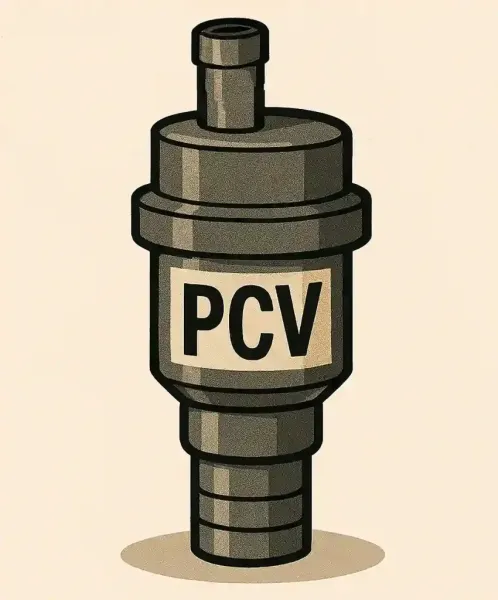
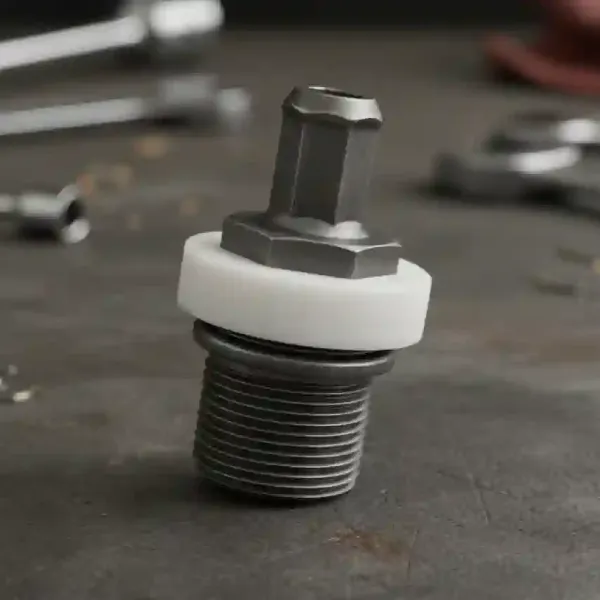
The PCV valve is a small one-way control valve usually located on the valve cover or near the intake manifold. It is connected by a hose between the crankcase and the engine intake system.
Its design may vary depending on the manufacturer, but the purpose is always the same: to control the amount of gases leaving the crankcase and redirect them to the intake so they can be burned again.
2. Main Function of the PCV Valve
During combustion, some combustion gases, known as blow-by, leak past the piston rings into the crankcase. If these gases remain trapped:
-
They increase internal engine pressure.
-
They contaminate the oil with fuel residues and moisture.
-
They cause greater wear and internal oxidation.
The PCV valve prevents these issues by:
-
Releasing gases from the crankcase.
-
Redirecting them to the intake manifold.
-
Allowing them to be burned again in the combustion chamber.
This helps keep the engine clean, reduce emissions, and improve fuel efficiency.
3. Location of the PCV Valve
The exact location depends on the vehicle model, but it is generally found:
-
On the valve cover.
-
Connected by a hose to the intake manifold.
-
In some modern engines, integrated into the valve cover or the crankcase ventilation module.
To identify it, look for a small cylindrical or rectangular valve connected to a thick hose running from the crankcase to the intake system.
4. Symptoms of a Faulty PCV Valve
When the PCV valve gets clogged, leaks, or sticks, it can cause serious engine performance issues. Common symptoms include:
4.1. Clogged Valve
-
Increased crankcase pressure.
-
Oil leaks from seals or gaskets.
-
Smell of gases or burnt oil.
-
Sludge formation in the oil due to lack of ventilation.
4.2. Valve Stuck Open
-
Excessive air entering the intake manifold.
-
Rough idle or irregular acceleration.
-
Higher fuel consumption.
-
Check Engine light activation.
4.3. Leaking PCV Valve
-
Reduced engine performance.
-
Suction noises or whistling around the valve cover area.
-
Increased oil consumption.
5. Consequences of Not Replacing a Faulty PCV
Ignoring a defective PCV valve may lead to:
-
Oil contamination → reduces engine lifespan.
-
Increased oil consumption and blue smoke from the exhaust.
-
Loss of power and reduced fuel efficiency.
-
Seal and gasket damage due to excess pressure.
-
Possible catalytic converter damage from a rich fuel mixture.
That’s why, even though it’s inexpensive, maintaining it is crucial.
6. Maintenance and Replacement
The PCV valve is usually inexpensive and easy to replace. Some maintenance tips:
-
Check it every 20,000 to 40,000 km, depending on the manufacturer.
-
Shake it: if you don’t hear a clicking sound, it’s probably clogged.
-
Inspect the connecting hose for cracks or leaks.
-
Use original or high-quality replacement parts.
In most cases, replacing the PCV valve takes less than 10 minutes and can prevent costly engine damage.
7. Final Recommendations
-
Don’t underestimate the PCV valve: it’s small but critical.
-
If you notice blue smoke, rough idle, or excessive oil consumption, check its condition.
-
Always use the recommended oil and change it on time, since the PCV and crankcase ventilation depend on internal engine cleanliness.
-
In turbo engines, the PCV valve is even more important, as it helps manage the extra pressure inside the crankcase.