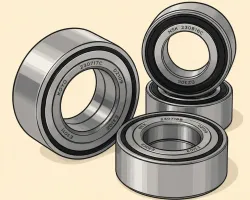
Valve Stem Seals
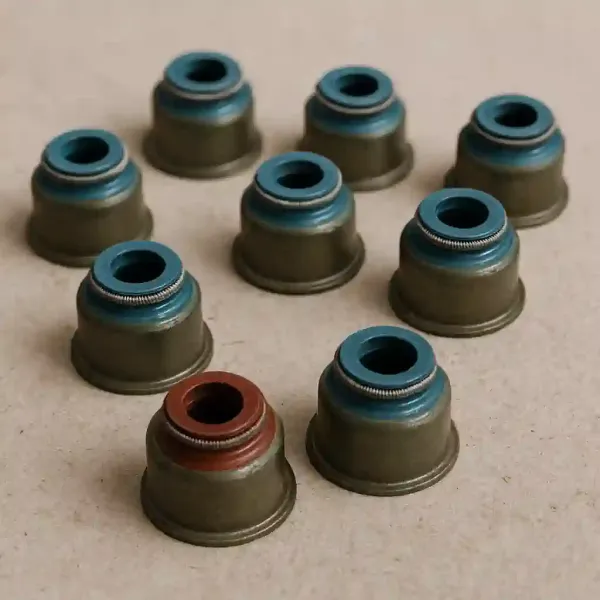
Valve stem seals are fundamental components in internal combustion engines, although they often go unnoticed by drivers. Their main function is to ensure that engine oil does not enter the combustion chamber and that valve lubrication remains optimal, preventing performance issues and harmful emissions.
Function of Valve Stem Seals
Valve stem seals serve two primary purposes:
- Oil control: They prevent engine oil from flowing into the combustion chamber, which could cause blue smoke from the exhaust and deposits on the spark plugs.
- Valve lubrication: They allow a minimal amount of oil to lubricate the valve guides, reducing wear and friction.
Without proper sealing, valves may wear prematurely, engine efficiency may drop, and oil consumption can increase.
Types of Valve Stem Seals
There are different types of valve stem seals, depending on their design and material:
- Rubber (or elastomer) seals: The most common and affordable, ideal for low to mid-demand engines. Their durability depends on operating temperature and oil quality.
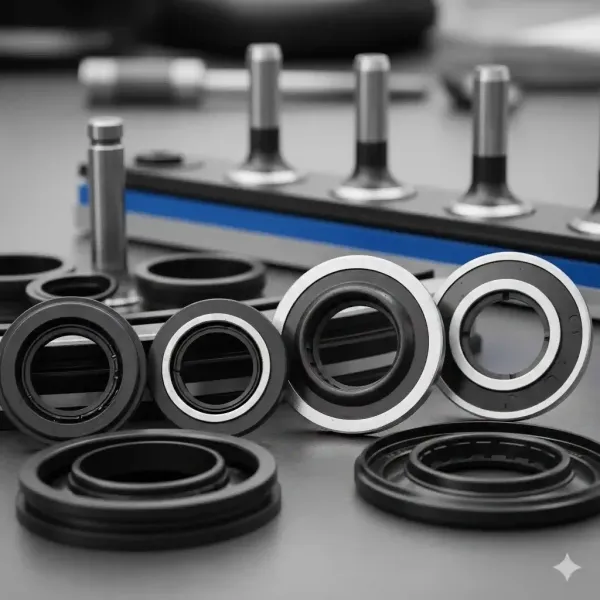
- Metal seals with rubber inserts: Combine the strength of metal with the flexibility of rubber, offering greater durability and heat resistance.
- Teflon (PTFE) seals: More resistant to high temperatures and wear, but typically more expensive.
Symptoms of Worn Valve Stem Seals
Wear or damage to valve stem seals can lead to several issues, such as:
- Blue smoke from the exhaust, especially during engine startup.
- Increased oil consumption.
- Misfires or difficulty starting.
- Carbon buildup on spark plugs and inside the combustion chamber.
Maintenance and Replacement
Although valve stem seals can last many kilometers, they eventually wear out. To keep your engine in good condition:
- Perform regular oil and filter changes using high-quality oil recommended by the manufacturer.
- Avoid engine overheating, as excessive heat accelerates seal wear.
- Replace valve stem seals according to the interval specified in the vehicle’s manual or when wear symptoms appear.
Replacing the seals may require removing the camshaft and cylinder head, so it’s usually best left to a professional repair shop.
Conclusion
Valve stem seals, though small, play a critical role in engine efficiency and longevity. Keeping them in good condition not only helps reduce oil consumption and emissions but also prevents more costly repairs in the long run. Inspecting their condition and replacing them when necessary is an investment that protects the heart of the vehicle: its engine.