🔋 Battery Terminals
Essential Types and Sizes
Battery terminals are the connection points between the battery and the electrical system of a vehicle or device. Although they may seem simple, their design and size are crucial to ensure a safe and efficient connection.
🧲 Types of Terminals
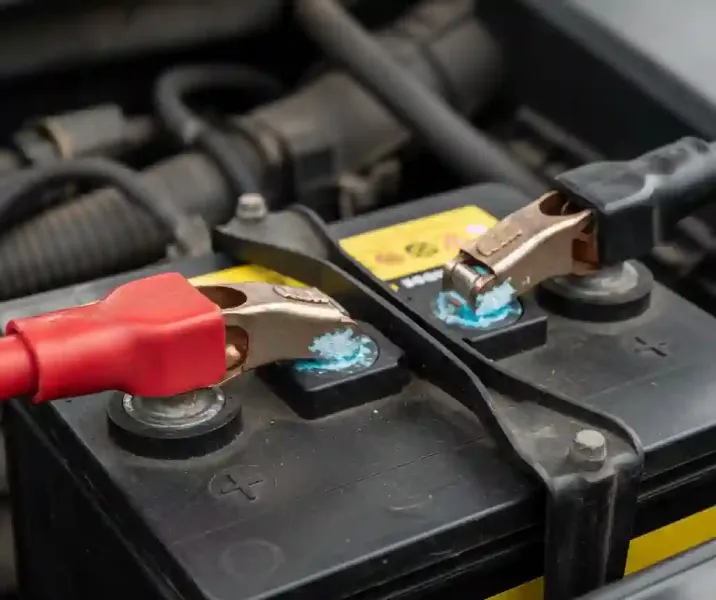
The most common terminals are the post type, found in automotive batteries. They are made of lead or corrosion-resistant alloys and have a cylindrical shape. Other types include screw or tab terminals, more common in motorcycle batteries, UPS units, or solar systems.
In car batteries, post terminals come in two standard sizes:
-
Positive terminal (+): Has a larger diameter, generally about 17.5 mm.
-
Negative terminal (−): Smaller, with an approximate diameter of 15.9 mm.
This size difference prevents incorrect connections, since the connectors are designed to fit only the corresponding terminal. In addition, the positive terminal is usually marked with red or the “+” symbol, while the negative one is identified with black or “−”.
🔩 Why Does Terminal Size Matter?
-
Safety: A wider terminal allows for a better connection and lower electrical resistance, reducing the risk of overheating.
-
Compatibility: The wires and connectors of the electrical system are designed to match the specific size of the terminal, so they should not be swapped without adapters.
-
Manufacturer Standards: Each manufacturer specifies the appropriate battery type and terminals for each model, according to its design and electrical needs.