The Automobile Electrical Wiring
The electrical system of a car is one of the most important components and, at the same time, one of the most complex. At the heart of this system lies the electrical wiring, which connects all the elements that require power or communication within the vehicle. From the headlights to the most advanced sensors, wiring is essential for the proper operation of a car.
1. What is automobile electrical wiring?
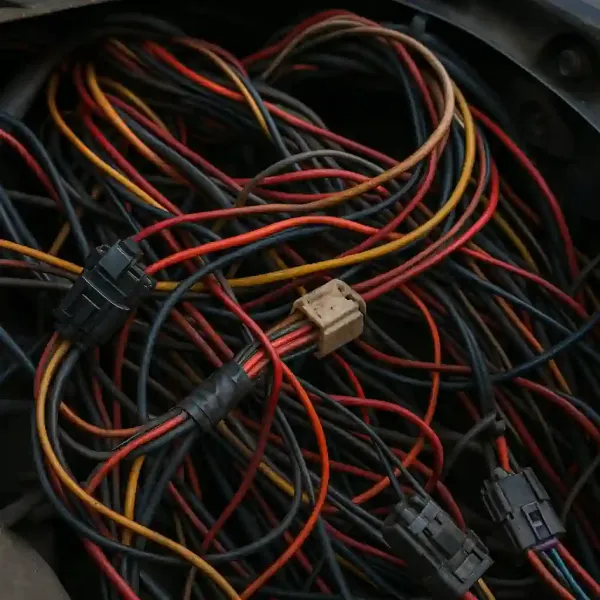
The electrical wiring of a car is a network of wires, connectors, and fuses that carries electrical power from the battery and alternator to the vehicle’s various systems and components. In addition to power, it also transmits electronic signals that enable communication between sensors, control modules, and actuators.
In modern cars, this network can include thousands of meters of wires organized into different harnesses that connect all the electronic systems.
2. Main functions of electrical wiring
Car wiring fulfills two key functions:
-
Power transmission: It delivers current from the battery to the devices that need it, such as lights, starter motor, radio, fans, etc.
-
Signal transmission: In modern vehicles, control modules communicate with each other through electrical signals and digital data traveling through the wires.
3. Main components of the wiring system
The electrical wiring system is not limited to simple wires; it includes several fundamental elements:
a) Battery
The battery stores and supplies electrical power when the vehicle is off or when starting the engine.
b) Alternator
Generates electricity when the engine is running and recharges the battery.
c) Wiring harness
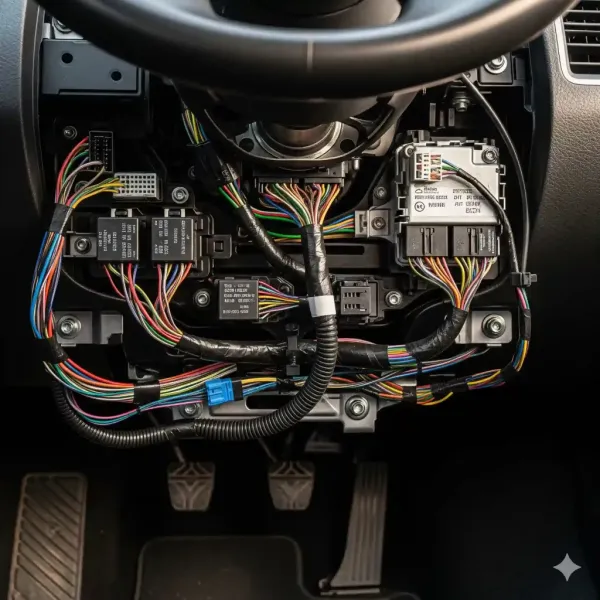
An organized set of coated and grouped wires that connect different parts of the car. Modern cars may have several independent harnesses: engine, dashboard, lights, doors, etc.
d) Fuses and relays
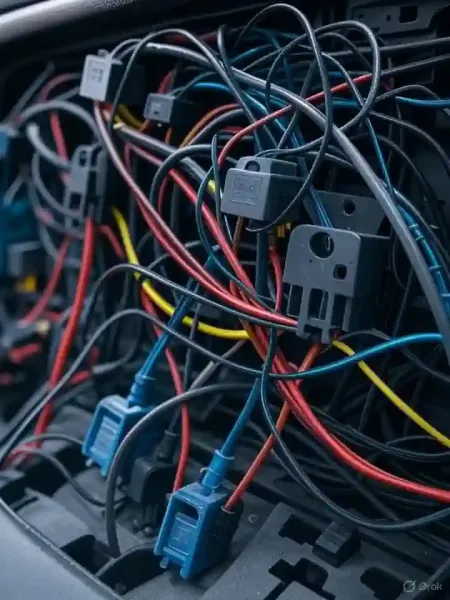
They protect electrical circuits from overloads and failures that could damage the system.
e) Sensors and electronic modules
Sensors send information about the vehicle’s condition, while control modules process the data and carry out actions.
4. Main wiring zones in a car
The wiring is distributed across different key areas of the vehicle:
-
Engine compartment: Includes wires for injectors, coils, sensors, alternator, and battery.
-
Dashboard: Contains wires for lights, indicators, radio, air conditioning, etc.
-
Lighting system: Powers headlights, taillights, turn signals, and interior lights.
-
Doors and power windows: Controls locking mechanisms, power locks, and window lifters.
-
Safety systems: Airbags, ABS, crash sensors, etc.
5. Common problems with electrical wiring
Over time, wiring can deteriorate or get damaged, causing electrical failures. The most frequent issues are:
-
Stripped or cut wires: Caused by vibrations, heat, or wear.
-
Loose or corroded connectors: Affect current transmission.
-
Blown fuses: Due to electrical overloads.
-
Short circuits: Occur when two wires touch and create an abnormal discharge.
-
Harness failures: In older cars, stiff wiring can lead to intermittent issues.
6. Maintenance and prevention tips
To avoid problems with the wiring system, it is important to follow some recommendations:
-
Periodically inspect wires for wear or visible damage.
-
Keep connectors clean to prevent corrosion.
-
Avoid DIY modifications that could damage the original installation.
-
Use fuses according to the manufacturer’s specifications.
-
Perform preventive diagnostics if warning lights appear on the dashboard.
Conclusion
The electrical wiring of a car is much more than a set of wires; it is the vehicle’s nervous system. It ensures that all components work in harmony, from the simplest to the most advanced. Proper preventive maintenance can help avoid major failures and costly repairs.
If you notice problems such as dim lights, faulty sensors, or systems that stop working, it is best to visit a specialized technician to check the electrical installation and ensure your car’s safety and proper performance.