Car Battery
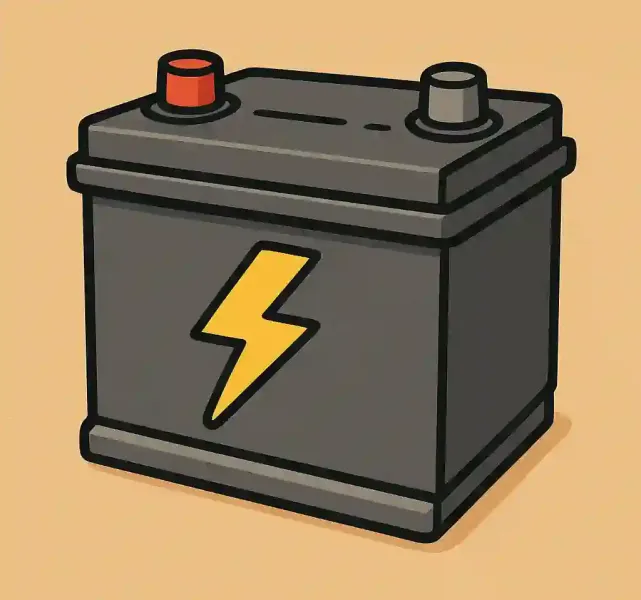
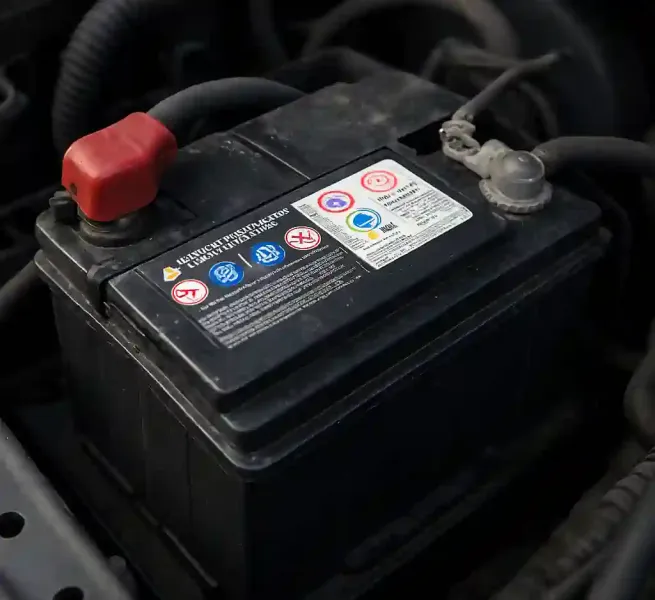
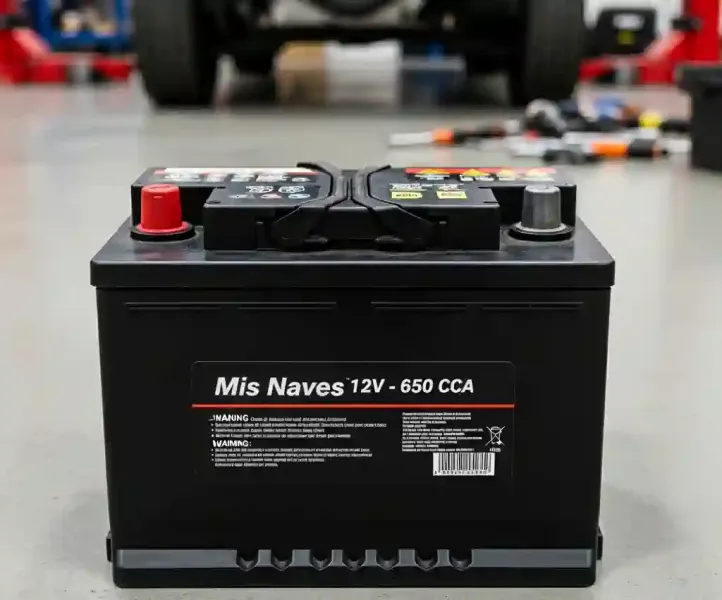
The car battery is one of the most important components of the electrical system, serving as the main power source during engine startup and as a backup to keep various devices running when the engine is off. Although its size and design may seem simple, its role is vital to the vehicle’s lifespan and performance.
Main Function
The battery supplies the current needed to start the engine via the electric starter. Once the engine is running, the alternator takes over electricity generation, but the battery continues to play a key role by stabilizing voltage and ensuring a steady flow of energy.
Internal Components
Inside, a battery contains cells made of lead plates submerged in diluted sulfuric acid. This chemical combination enables the reaction that produces electricity. Most modern batteries are “maintenance-free,” although some versions still require periodic checks of the electrolyte level.
Service Life
Battery lifespan ranges from 2 to 5 years, depending on climate, driving habits, and vehicle maintenance. Frequent exposure to high temperatures, very short trips, or leaving lights on while the engine is off are factors that shorten its life.
Maintenance and Care
- Check connections: Keeping terminals clean and tight prevents starting failures.
- Avoid deep discharges: Don’t leave lights, radio, or other accessories on for long periods with the engine off.
- Regular checks: Measuring voltage during preventive inspections helps detect wear early.
Safety Importance
A faulty battery not only prevents the car from starting—it can also cause failures in essential systems such as lights, electric power steering, or even brakes in modern vehicles.
Conclusion
The car battery is much more than a simple energy container: it’s a strategic element for proper vehicle operation and safety. Taking care of it, inspecting it regularly, and replacing it when needed is an investment in the reliability of every journey.