🛞 Information About Tubed and Tubeless Tires
Tires are the only point of contact between a vehicle and the road, and their design directly affects safety, performance, and fuel efficiency. There are two main categories: tubed tires (tubetype) and tubeless tires. While they share structural elements, their operation and advantages differ significantly.
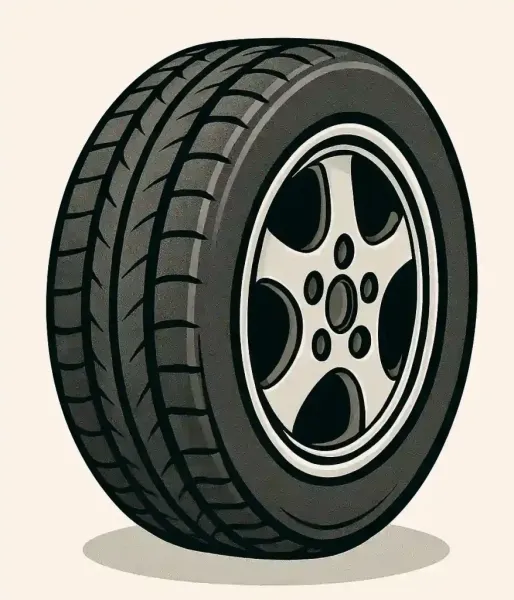
🔧 General Tire Composition
-
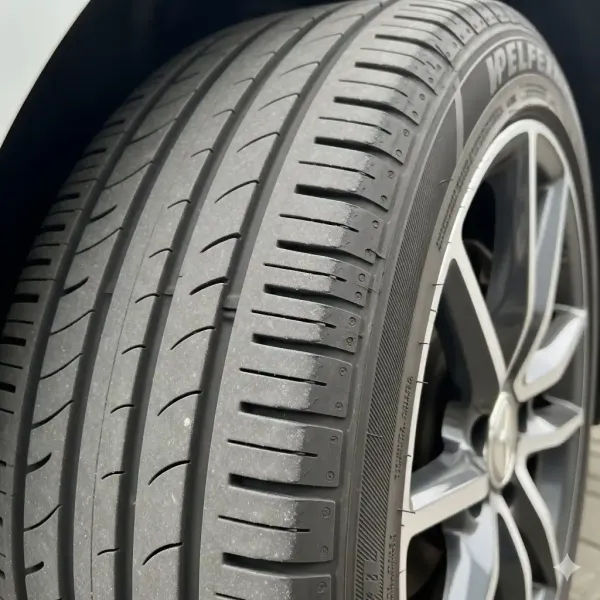
Tread
- Provides traction
- Resists wear
- Channels water on wet surfaces
-
Steel Belts
- Reinforce the tread
- Improve tire stability
-
Textile Casing
- Absorbs road impacts
- Gives shape and structure to the tire
-
Sidewall
- Protects the casing
- Adds lateral flexibility
-
Bead
- Ensures a firm fit between the tire and the rim
- Made of steel wires for secure anchoring
-
Inner Liner
- In tubeless tires: maintains air pressure
- In tubed tires: protects the inner tube
🧪 Differences Between Tubed and Tubeless Tires
-
Air Chamber
- Tubetype: Use a separate inner tube inside the tire
- Tubeless: No tube; air is retained within the tire itself
-
Sealing
- Tubetype: Sealing depends on the tube and rim fit
- Tubeless: Require airtight rims and proper bead sealing
-
Repair
- Tubetype: Easier to repair in the field, but less safe
- Tubeless: Safer, though they require specific tools for repair
-
Puncture Risk
- Tubetype: Higher risk, with sudden pressure loss
- Tubeless: Lower risk, as air tends to escape gradually
-
Current Use
- Tubetype: Common in older vehicles, agricultural machinery, and classic motorcycles
- Tubeless: Standard in modern cars and high-performance vehicles
Tubeless tires feature a butyl rubber layer inside that acts as a sealant, eliminating the need for an inner tube. This improves heat dissipation, reduces weight, and enhances safety.
🔢 Reading Tire Specifications
The sidewall markings reveal key specifications. Example: 195/65 R15 91H
- 195: Tire width in millimeters
- 65: Aspect ratio (sidewall height as a percentage of width)
- R: Radial construction (most common)
- 15: Rim diameter in inches
- 91: Load index (maximum weight capacity)
- H: Speed rating (maximum safe speed)
You may also find the DOT code, which indicates the manufacturing date (e.g., 3223 = week 32 of 2023).
🧵 Technical Evolution
- Bias-ply tires: Used in tubetype designs, with angled cross-layers. More rigid but less comfortable.
- Radial tires: Dominate today’s market. Layers run radially from bead to bead with steel belts. Offer better durability, grip, and efficiency.
- Run-flat and self-supporting tires: A tubeless variant that can operate without air pressure for limited distances. Common in luxury and sports vehicles.
🛠️ Applications and Recommendations
- Tubetype: Still useful in rural terrain, heavy machinery, and classic motorcycles. Require frequent tube inspection.
- Tubeless: Recommended for urban and highway use. Lower maintenance, better thermal performance, and increased safety.