TPMS Sensor
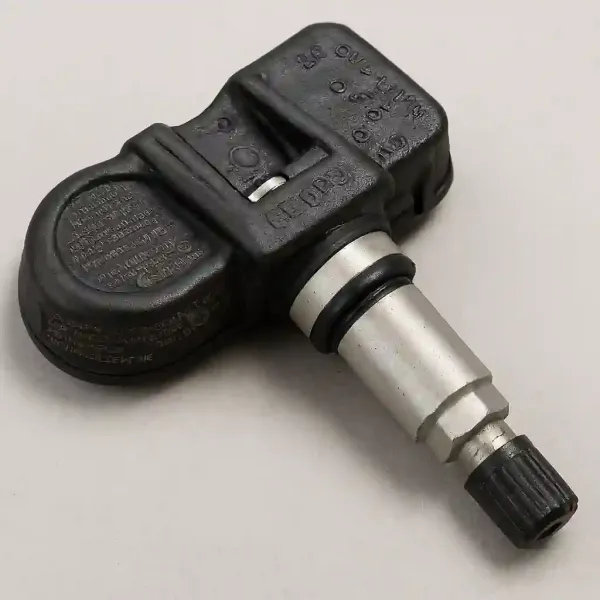
The TPMS (Tire Pressure Monitoring System) is an electronic system designed to monitor tire air pressure in real time. Its main function is to alert the driver when one or more tires have pressure below the recommended level, helping to improve safety, fuel efficiency, and tire lifespan.
Types of TPMS Sensors
There are two main technologies:
1. Direct TPMS
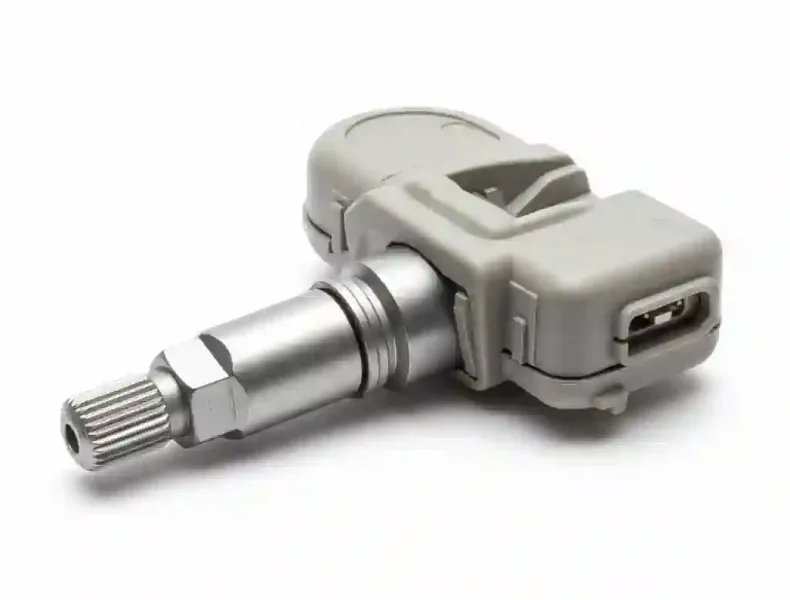
- Uses sensors mounted on each tire, typically on the valve or inside the wheel.
- These sensors measure pressure and, in many cases, tire temperature.
- The data is wirelessly transmitted to the vehicle’s control unit.
- More accurate, though potentially more expensive to maintain, as each sensor contains a battery.
2. Indirect TPMS
- Does not measure pressure directly.
- Operates through ABS and stability control sensors, detecting differences in wheel rotation speed.
- Less precise, but more affordable and easier to maintain.
Advantages of TPMS
- Safety: Helps reduce the risk of accidents caused by underinflated tires or blowouts.
- Fuel savings: Maintaining correct pressure reduces rolling resistance.
- Tire durability: Proper inflation prevents uneven wear.
- Lower emissions: Improved fuel efficiency leads to reduced CO₂ emissions.
TPMS Maintenance
- Periodically check sensor batteries, which typically last between 5 and 10 years.
- Be cautious when changing or repairing tires to avoid damaging valve-mounted sensors.
- Reprogram or synchronize sensors when rotating tires or installing new ones.
Conclusion
The TPMS sensor has become a key component in modern vehicles, and is even mandatory in many countries. Its ability to keep drivers informed about tire conditions not only enhances road safety but also helps save money and protect the environment.