Engine Mounts
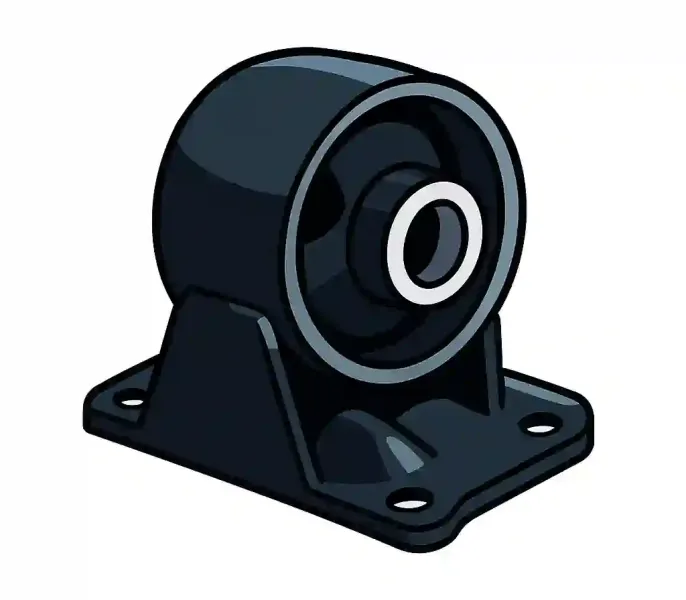
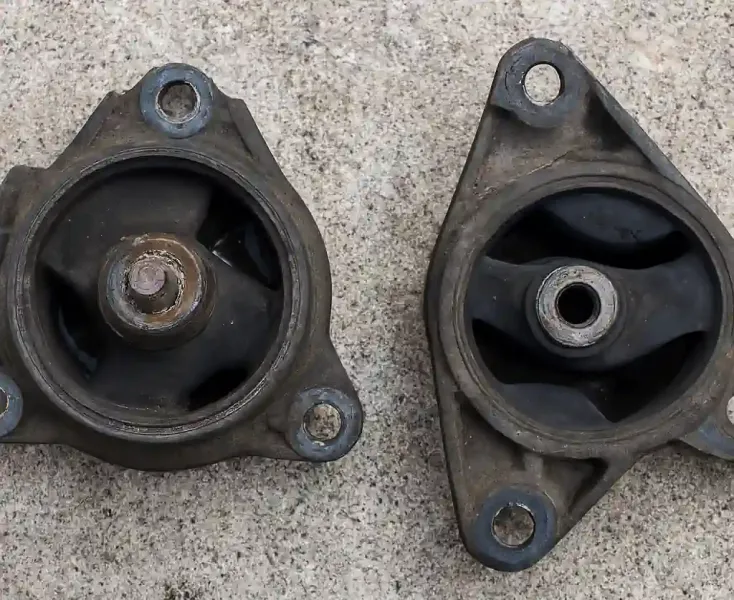
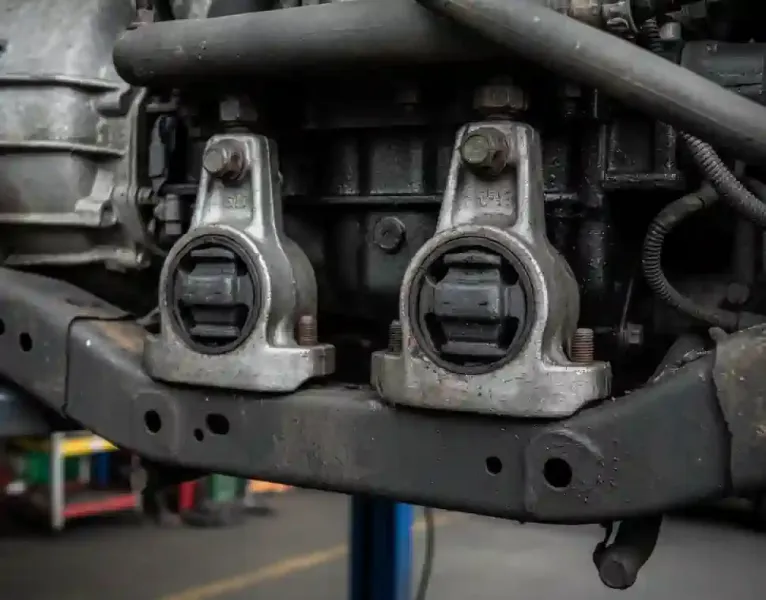
Engine mounts, also known as supports or brackets, are fundamental components in a vehicle’s mounting system. Their main function is to hold the engine and transmission to the chassis, keeping them firmly in place while the car is running. Although they often go unnoticed, their importance is key to comfort, safety, and the vehicle’s durability.
Main functions of engine mounts
-
Structural support: Keep the engine and gearbox secured to the chassis of the vehicle.
-
Vibration reduction: Designed with materials that absorb vibrations, such as rubber or polyurethane combinations. This prevents engine vibrations from reaching the cabin.
-
Stability during start and braking: Help control engine movement when sudden changes occur, such as rapid acceleration or hard braking.
-
Protection of other components: By preventing excessive movement, they reduce the risk of damage to hoses, cables, and other engine-connected parts.
Types of engine mounts
-
Conventional rubber mounts: The most common type. Made of metal and rubber, they provide good vibration isolation at an affordable cost.
-
Hydraulic mounts: Contain liquid inside to improve vibration absorption and provide greater comfort. Commonly found in modern and mid- to high-range vehicles.
-
Active electronic mounts: Controlled by electronic systems that adjust stiffness depending on driving conditions. They are more expensive and used in high-tech vehicles.
Symptoms of worn engine mounts
-
Knocking or abnormal vibrations when starting or shutting off the engine.
-
Excessive vibrations in the steering wheel or cabin while driving.
-
Metallic noises from the engine when accelerating or going over bumps.
-
Misalignment or damage to other components due to excessive engine movement.
Importance of maintenance
Although engine mounts do not require periodic maintenance like oil or brakes, it is essential to inspect them when signs of wear appear. Over time, rubber can crack, hydraulic fluid can leak, and metal parts can deform. Replacing a damaged mount in time prevents more serious damage to the engine or transmission.
Conclusion
Engine mounts are discreet but vital components. Thanks to them, drivers and passengers enjoy a more comfortable, safe, and quiet ride. Inspecting them regularly and replacing them when necessary is an investment in the durability and performance of the vehicle.