🛠️ The Exhaust Manifold
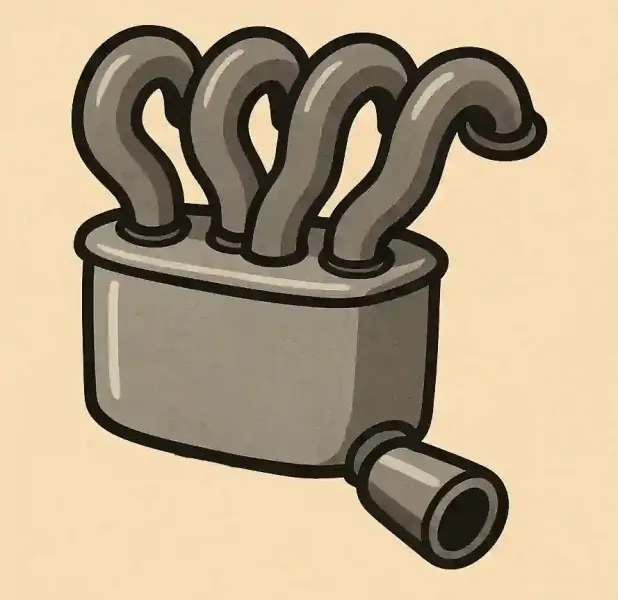
The exhaust manifold is one of those engine components that, although it doesn’t always get much attention, plays a crucial role in the performance, efficiency, and sound of the vehicle. It’s the first component of the exhaust system and is designed to channel combustion gases from the engine’s cylinders to the rest of the exhaust system.
🔧 What is the Exhaust Manifold?
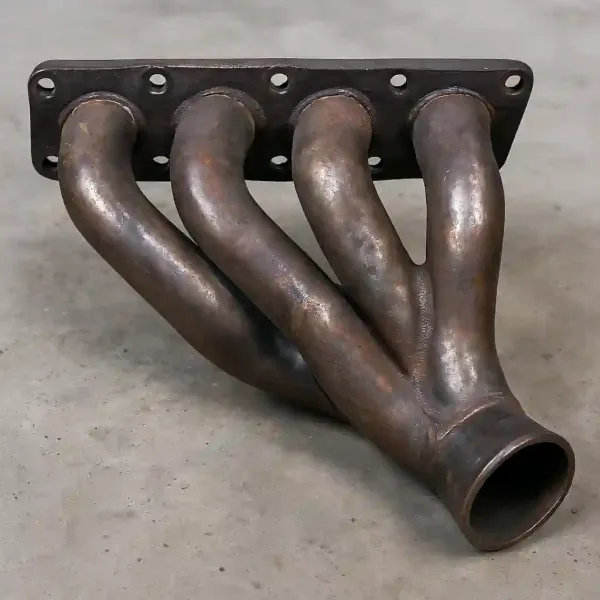
The exhaust manifold (also known as the exhaust header) is a metal structure that connects directly to the engine’s cylinder head. Its main function is to collect the exhaust gases generated during combustion and direct them toward the exhaust pipe.
-
Common materials: cast iron, stainless steel, or high-performance alloys.
-
Design: may feature multiple tubes (one per cylinder) that merge into a single outlet.
🚗 Types of Exhaust Manifolds
There are several types of exhaust manifolds, each designed to fulfill different purposes depending on the type of vehicle and the driver’s needs.
-
OEM Manifolds (Factory-made): These come originally installed in most cars. They have a simple, compact design, generally made of cast iron. Their main advantage is durability, although they are not optimized to enhance engine performance. They are ideal for daily-use vehicles that don’t require modifications.
-
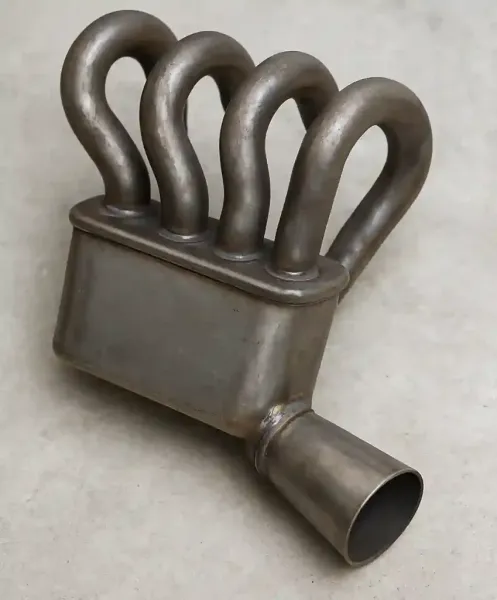
Performance Headers: These manifolds are designed to improve exhaust gas flow. They feature long, separated tubes that allow gases to exit the cylinders with less resistance. This translates into increased power and efficiency. They are very popular among automotive enthusiasts and those seeking a more aggressive sound from their vehicle.
-
Short Tube Headers: A more compact version of performance headers. While they don’t offer the same performance level as long headers, they are easier to install and fit better in vehicles with limited engine bay space. They are a good option for those seeking an upgrade without complications.
Each type has its advantages, and the choice depends on the balance you’re looking for between performance, ease of installation, and budget.
⚙️ How Does It Affect Performance?
A well-designed manifold can significantly improve engine performance:
-
Better gas evacuation = less internal resistance.
-
Greater thermal efficiency = lower engine bay temperatures.
-
Increased power = especially in high-performance engines.
🧼 Maintenance and Common Issues
Although the exhaust manifold is robust, it may develop issues over time:
-
Cracks or fractures: caused by constant thermal expansion.
-
Gas leaks: which can affect performance and generate noise.
-
Oxidation: especially in humid or salty climates.
Tip: Metallic noises or whistling near the engine may signal a manifold leak. It’s also important to check for gas smells inside the cabin.
🔥 Is It Worth Upgrading?
For performance enthusiasts, replacing the stock exhaust manifold with a high-flow one can be a noticeable upgrade. Not only does it add power, but it also delivers a more aggressive and sporty sound. However, consider the following:
-
Compatibility with the engine
-
Local emissions regulations
-
Installation and tuning costs