Car Radiator
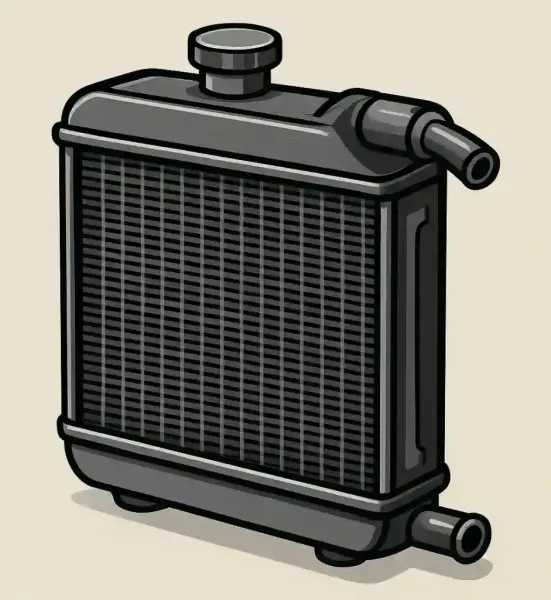
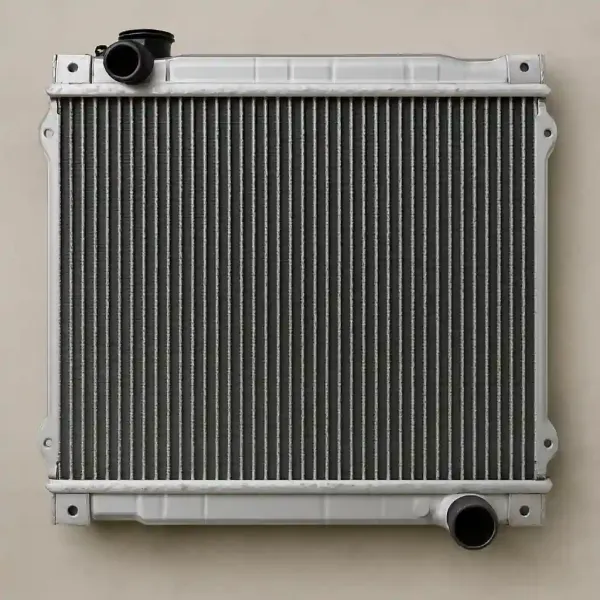
The radiator is one of the most important components in a vehicle’s cooling system. Its main function is to keep the engine at an optimal operating temperature, preventing overheating that could cause serious and costly damage. Although it often goes unnoticed, its proper operation is vital for engine health and vehicle efficiency.
Radiator Function
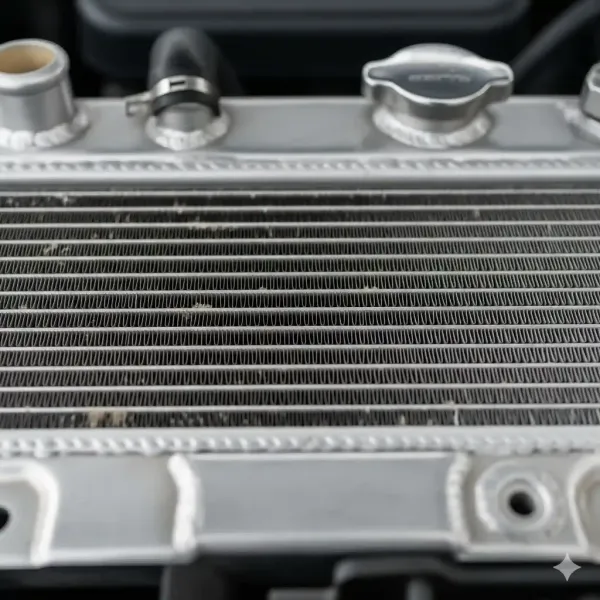
The radiator acts as a heat exchanger. The engine generates a large amount of heat when burning fuel, and this heat must be dissipated for the engine to function properly. The radiator receives hot coolant from the engine, circulates it through thin metal fins, and cools it down using airflow from the front of the vehicle. Once cooled, the liquid returns to the engine to continue the cooling cycle.
The radiator works in conjunction with other cooling system components—such as the water pump, thermostat, and fan—to maintain stable engine temperature. This prevents mechanical failures, improves fuel efficiency, and extends engine life.
Radiator Lifespan
The lifespan of a radiator depends on several factors, including its material, driving conditions, and vehicle maintenance. In general:
- Aluminum radiators: Typically last between 8 and 12 years.
- Copper/brass radiators: Can last up to 15 years, though they are heavier and less common in modern vehicles.
Regular maintenance is key to extending its service life. This includes checking coolant levels, cleaning the radiator of dust and debris, and replacing coolant according to the manufacturer’s recommendations. A damaged radiator can lead to overheating, coolant leaks, or even complete engine failure.
Additional Information
- Signs of trouble: If the engine heats up too quickly, there are coolant leaks, or the radiator fan runs constantly, the radiator may be clogged or damaged.
- Radiator types: There are single-core, double-core, and triple-core radiators, depending on the cooling capacity required for the vehicle.
- Modern innovations: Some modern radiators use lightweight materials and optimized fins to improve cooling efficiency without adding extra weight.
In summary, the radiator is an essential component for engine performance and durability. Proper care and early detection of issues can prevent major breakdowns and ensure your vehicle runs reliably for many years.