Seat Pressure Sensor
Modern vehicles incorporate numerous electronic sensors to improve occupant safety and comfort. One of the most important is the seat pressure sensor, a component designed to detect whether the seat is occupied and, in some cases, estimate the occupant’s weight.
Although it is a thin and flexible piece, it plays a fundamental role in the operation of the car’s safety systems.
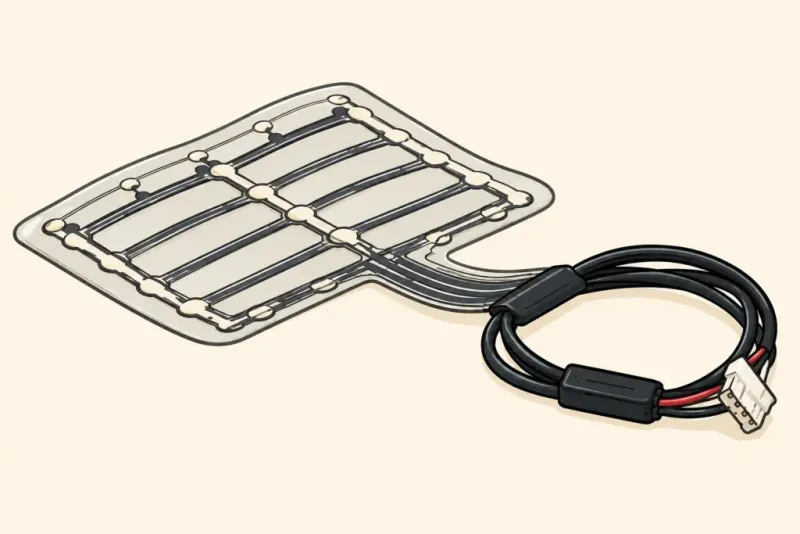
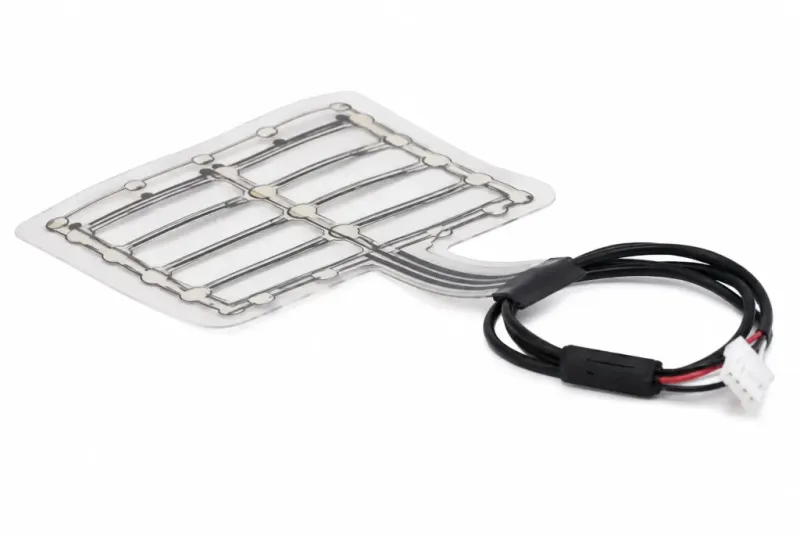
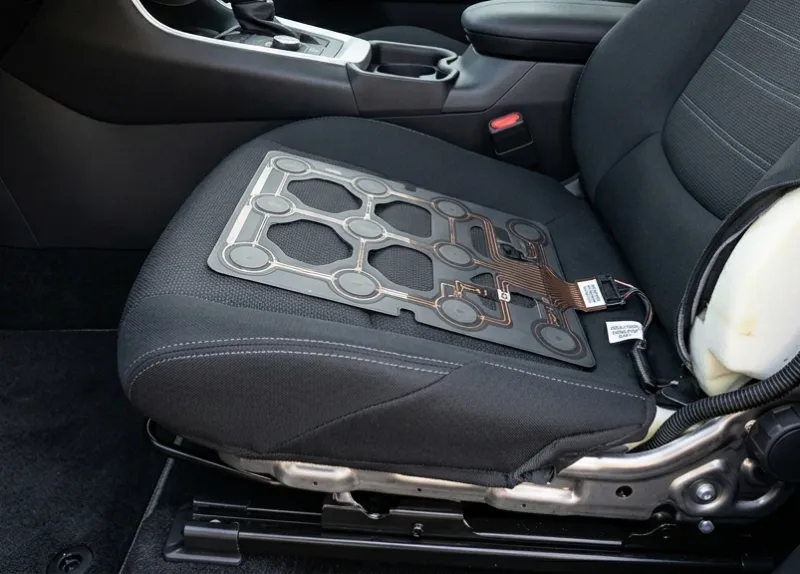
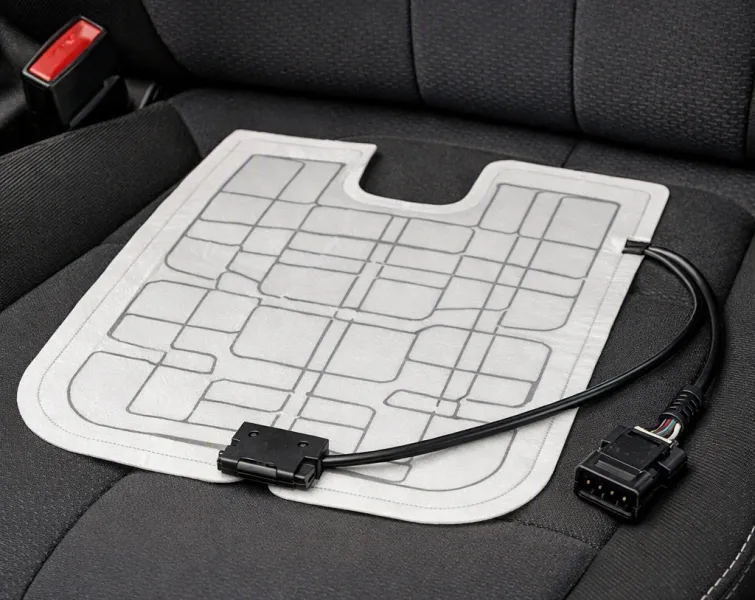
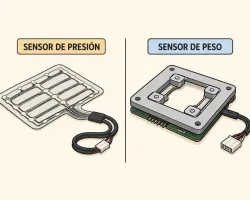
It is an electronic device installed beneath the upholstery or seat foam, generally in the front passenger seat. It consists of a flexible sheet with conductive tracks that change their electrical properties when pressure is applied.
Its design allows it to withstand thousands of usage cycles without affecting seat comfort.
How does it work?
When a person sits on the seat, their weight exerts pressure on the sensor’s surface.
The sensor modifies an electrical characteristic, such as resistance, capacitance, or conductivity. This information is sent to the vehicle’s control module (ECU), which determines whether the seat is:
- Empty
- Occupied by a person
- Occupied by a light object
- Occupied by a passenger whose weight exceeds the threshold set by the manufacturer
With this information, the vehicle makes decisions related to safety systems.
Functions
- Activate or deactivate the airbag
Its most well-known function is determining whether the passenger airbag should deploy during an accident.
If the seat is empty or detects a weight below the minimum threshold, the system may deactivate the airbag to avoid unnecessary deployment. - Occupant detection
The vehicle can detect if someone is seated even before the seatbelt is fastened. - Seatbelt reminder
When the sensor detects an occupant and the seatbelt is not fastened, the system activates:
- Visual warnings
- Audible alarms
- Dashboard messages
Symptoms of a faulty sensor
When this component fails, the following symptoms may appear:
- Airbag warning light on
- SRS system warning
- Vehicle does not detect the passenger
- Seatbelt alarm works incorrectly
- “Airbag system malfunction” messages
- Passenger airbag remains deactivated when it should be active
Common causes of failure
Frequent causes include:
- Wear from continuous use
- Moisture or liquid intrusion
- Damage to conductive tracks
- Loose connectors under the seat
- Broken wires due to constant seat movement
- Incorrect upholstery repairs
Some manufacturers sell only the sensor, while others require replacing the entire seat cushion.
Maintenance and recommendations
To extend the sensor’s lifespan:
- Avoid spilling liquids on the seat
- Do not place very heavy objects for long periods
- Be careful when disassembling the seat
- Do not pull on the wiring located under the seat
- If the airbag light appears, perform a diagnostic with a compatible scanner before replacing components