Car Oxygen Sensor
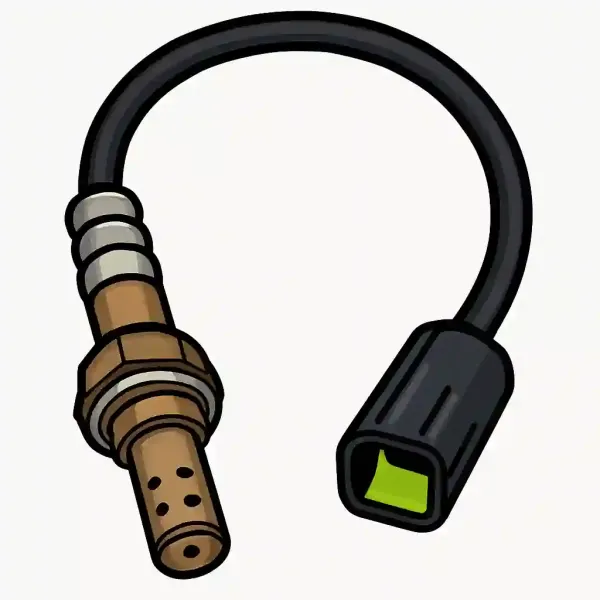
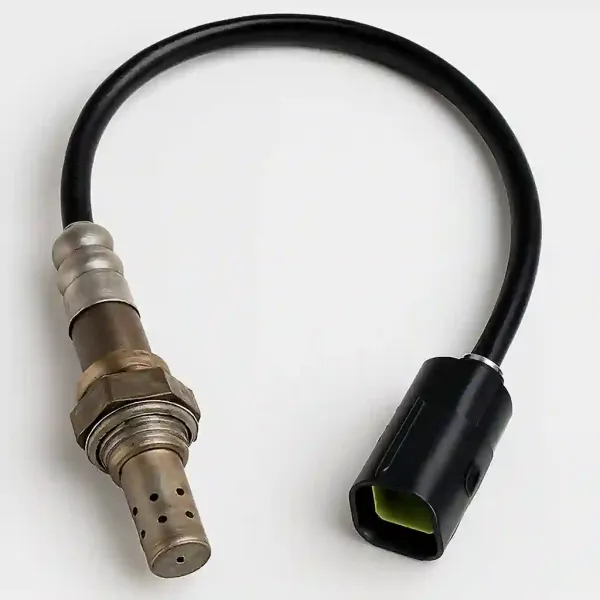
The oxygen sensor, also known as the lambda sensor, is an essential component in modern internal combustion engines. Its main function is to measure the oxygen concentration in the exhaust gases and send that information to the engine control unit (ECU), allowing real-time adjustment of the air-fuel mixture.
🔧 Where Is It Located?
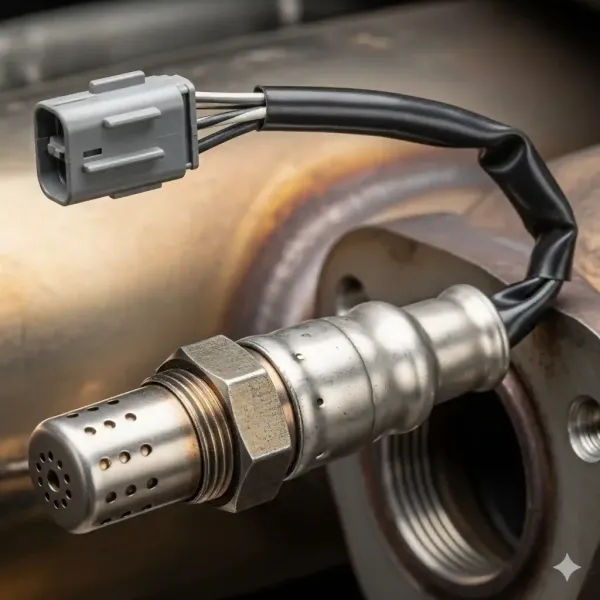
It’s typically found on the exhaust manifold, positioned just before and after the catalytic converter. Modern vehicles usually have two sensors:
- O2 Sensor 1 (pre-catalytic): Monitors the air-fuel mixture.
- O2 Sensor 2 (post-catalytic): Verifies the efficiency of the catalytic converter.
⚙️ How Does It Work?
The sensor generates an electrical signal based on the amount of oxygen present in the exhaust gases. This signal ranges from 0.1V (lean mixture) to 0.9V (rich mixture). The ECU interprets this signal to keep the mixture as close as possible to the ideal stoichiometric ratio: 14.7 parts of air to 1 part of gasoline.
🛠️ Types of Sensors
- Zirconia: The most common type, produces voltage based on the oxygen difference between exhaust and ambient air.
- Titania: Changes its electrical resistance depending on oxygen content.
- Wideband: More precise, allowing finer control of the mixture.
🚨 Failure Symptoms
A faulty oxygen sensor can cause:
- Increased fuel consumption.
- Loss of engine power.
- Misfires.
- Elevated emissions.
- Failure in smog tests.
🧼 Maintenance and Replacement
Although some sensors can be cleaned, it’s generally recommended to replace them every 60,000 to 100,000 km, depending on type and usage conditions. A malfunctioning sensor may cause the engine to run in “open loop” mode, ignoring mixture adjustments and increasing pollution.
🧩 Internal Structure
A typical sensor includes:
- Protective tube with breathing holes.
- Reading and heating probe.
- Metal housing.
- Electrical connector.