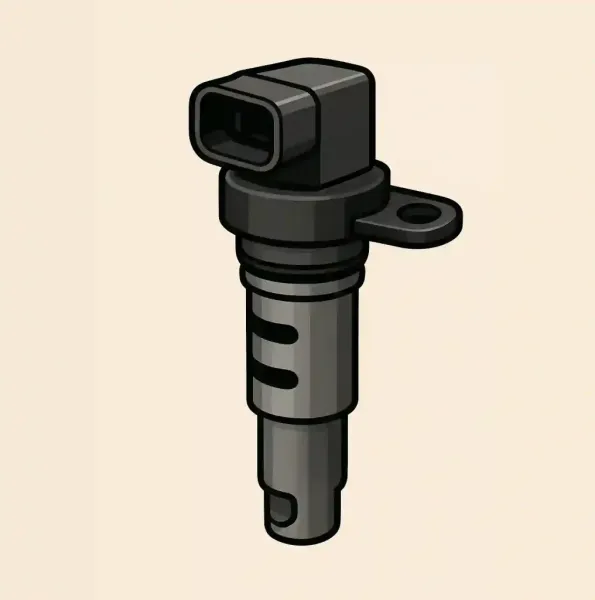
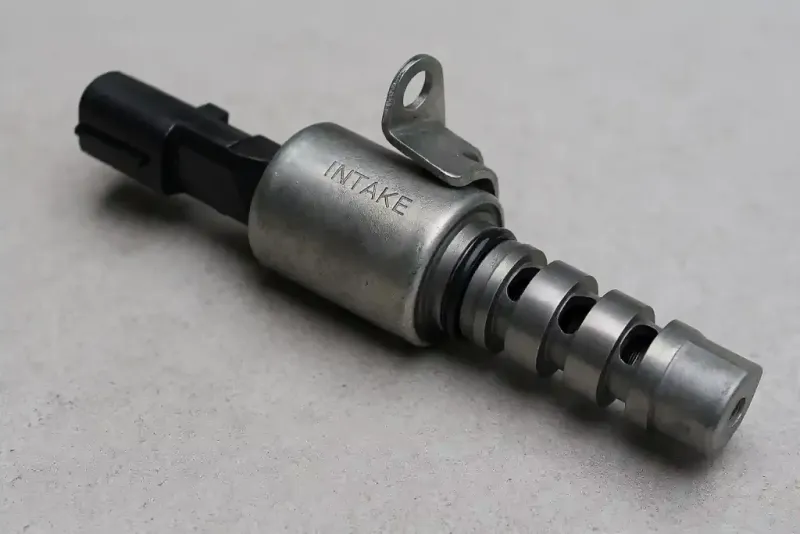
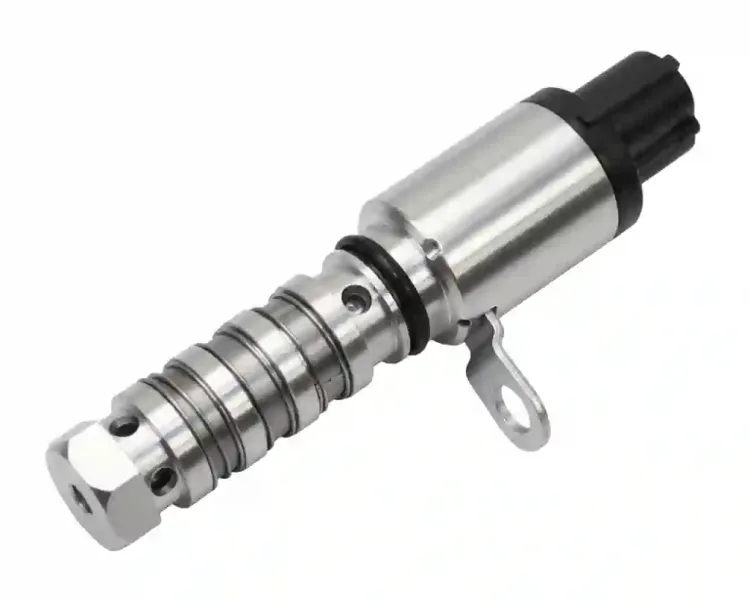
VVT Sensor
Nowadays, the efficiency and performance of internal combustion engines rely heavily on electronic management systems. Among the components that enable this control is the VVT (Variable Valve Timing) sensor—a small yet essential part that helps optimize engine operation.
What is the VVT Sensor?
The VVT sensor is a device responsible for monitoring the camshaft position in variable valve timing systems. Its main function is to send accurate data to the Electronic Control Unit (ECU), which adjusts the timing of intake and exhaust valve opening and closing based on driving conditions.
In other words, the VVT sensor allows the engine to “breathe” more efficiently, boosting power when needed and reducing fuel consumption during low-demand situations.
How Does It Work?
The VVT sensor typically works in conjunction with a VVT actuator and a crankshaft position sensor. The process can be summarized in the following steps:
- Position Detection: The VVT sensor measures the exact position of the camshaft.
- Signal Transmission: It sends the data as an electrical signal to the ECU.
- Electronic Calculation: The ECU compares camshaft and crankshaft data to determine the correct valve timing angle.
- Dynamic Adjustment: Using the actuator, the ECU adjusts valve timing to optimize the air-fuel mixture and exhaust flow.
Benefits of the VVT Sensor
Using a VVT sensor provides key advantages for vehicle performance:
- Improved fuel economy by reducing consumption under low-load conditions.
- Increased power during acceleration and high RPMs.
- Lower emissions thanks to more efficient combustion.
- Smoother engine operation across different driving regimes.
Symptoms of a Faulty VVT Sensor
When this component fails, the vehicle may show signs such as:
- Loss of power.
- Excessive fuel consumption.
- Check engine light illuminated.
- Rough idling or difficulty starting.
- Metallic noises from the engine.
Maintenance and Replacement
The VVT sensor doesn’t require specific maintenance, but it is sensitive to dirt and oil quality. Contaminated oil or infrequent oil changes can impair its function. If a fault is detected, replacement is recommended, as repairs are uncommon.