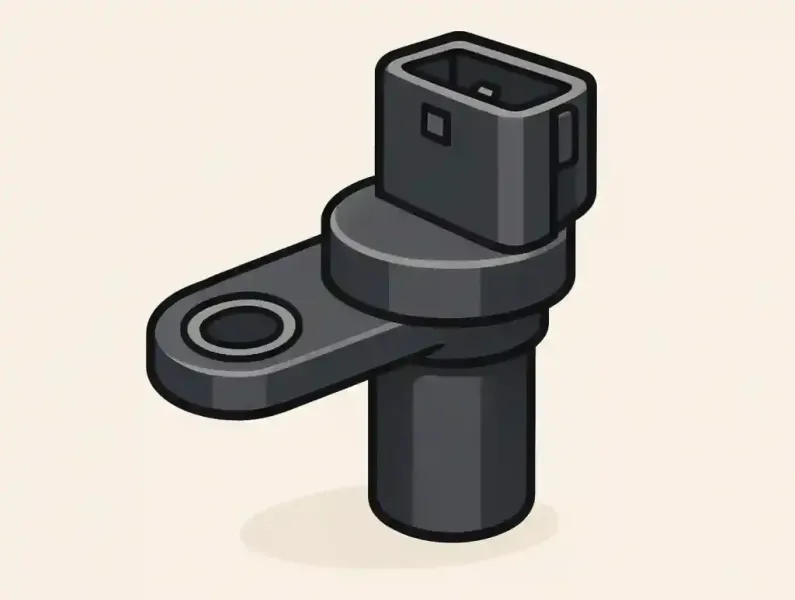
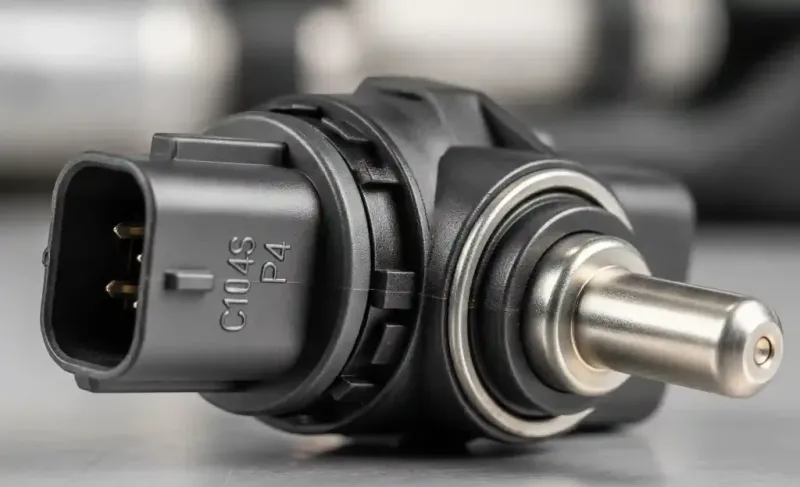
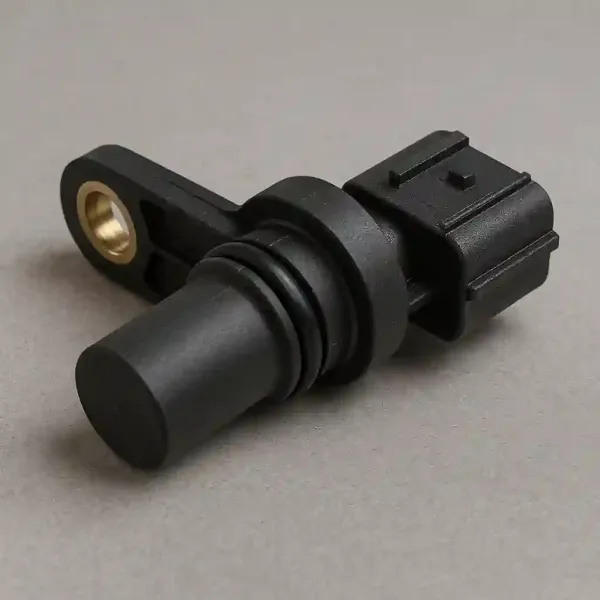
Camshaft Position Sensor
The camshaft position sensor, also known as the CMP sensor, is a critical component of the engine’s electronic management system. Its main function is to detect the exact position of the camshaft and send that information to the engine control unit (ECU), which uses the data to regulate fuel injection, ignition timing, and valve operation.
Below, we’ll explore how it works, common failure symptoms, expected lifespan, and maintenance recommendations.
1. Function of the Camshaft Position Sensor
The sensor works in tandem with the crankshaft position sensor to ensure efficient engine operation. While the crankshaft sensor measures engine speed, the camshaft sensor determines the precise position of the valves and pistons.
The ECU uses this data to:
- Synchronize fuel injection at the exact moment.
- Control ignition timing to prevent detonation.
- Optimize fuel consumption and reduce emissions.
- Manage variable valve timing systems in modern engines.
Without this sensor, the engine would lose reference to valve position, leading to serious performance issues.
2. Sensor Location
The camshaft position sensor is typically located:
- On the engine cylinder head, near one end of the camshaft.
- In some engines, it may be found on the front or rear of the valve cover.
Its exact location depends on engine design, but it’s always aligned with a reluctor disk or toothed wheel that enables position measurement.
3. Types of Camshaft Position Sensors
There are two main technologies used:
a) Hall Effect Sensor
- Uses a magnet and semiconductor to detect rotation.
- Produces a square wave signal.
- Common in modern vehicles.
b) Inductive Sensor
- Operates by inducing current from a magnetic field.
- Generates an alternating voltage signal.
- More common in older vehicles.
4. Symptoms of a Faulty Sensor
When the camshaft sensor fails, the ECU cannot properly synchronize ignition and fuel injection, causing issues such as:
- Difficulty starting or extended cranking time.
- Power loss during acceleration.
- Misfires and engine hesitation.
- Increased fuel consumption.
- Check Engine light activation.
- In some cases, engine stalling while driving.
5. Common Causes of Failure
- Internal wear over time.
- Dirt or oil buildup on the sensor.
- Damaged wiring or connectors.
- Engine overheating affecting electronic components.
- Impacts or vibrations on the cylinder head.
6. Sensor Lifespan
On average, a camshaft position sensor lasts between 150,000 and 250,000 km, depending on:
- Component quality.
- Driving conditions.
- Preventive engine maintenance.
In high-mileage vehicles, failure due to natural wear is common.
7. Maintenance and Recommendations
Although this sensor doesn’t require regular maintenance, you can extend its lifespan by:
- Periodically inspecting wiring and connectors to prevent poor contact.
- Keeping the engine clean and avoiding oil leaks onto the sensor.
- Using high-quality motor oil and changing it at recommended intervals.
- If error codes P0340 or P0341 appear on an OBD2 scanner, check the sensor before replacing other components.
8. Conclusion
The camshaft position sensor is a small but vital part of proper engine operation. A failure in this sensor can lead to serious issues with fuel injection, power loss, and increased fuel consumption.
Early diagnosis, a clean engine, and quality parts can help prevent costly failures in the future.