The TPS Sensor
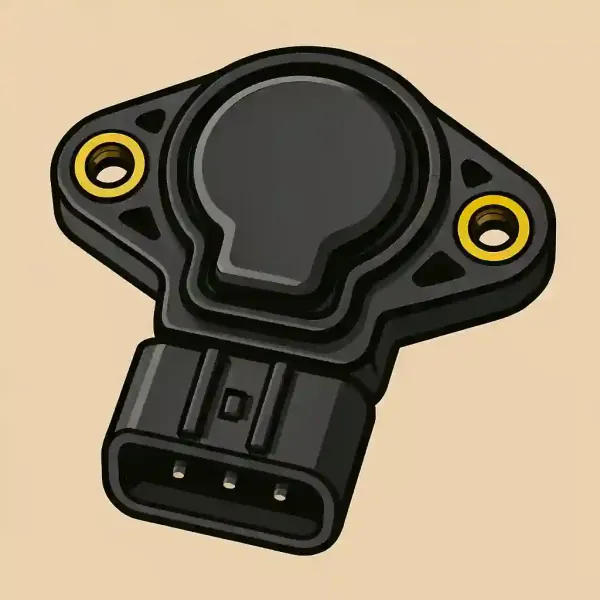
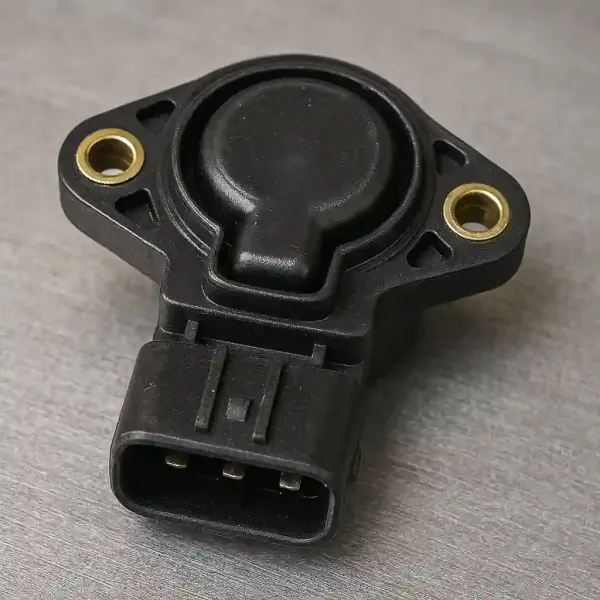
The TPS (Throttle Position Sensor) is a key component in modern electronic fuel injection systems. Its main function is to inform the engine control unit (ECU) of the exact position of the throttle plate, allowing it to calculate the appropriate amount of air and fuel that should enter the engine.
What is the TPS Sensor?
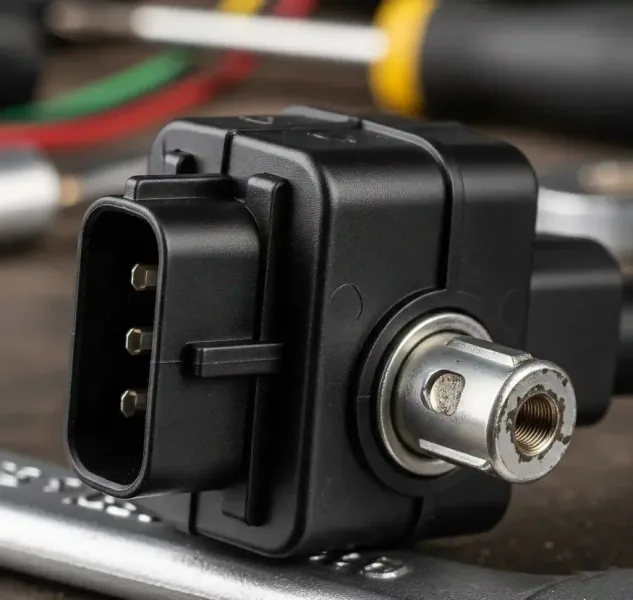
The TPS sensor is a potentiometer or, in more advanced versions, a non-contact electronic sensor located on the throttle body. It is connected to the throttle plate shaft and measures the opening angle, sending a proportional voltage signal to the ECU.
In simple terms, it translates the driver’s action on the accelerator pedal into an electrical signal that the vehicle’s computer can interpret.
How It Works
- Closed throttle: The sensor sends a low voltage (typically between 0.2 and 0.9 V). The ECU interprets this as idle mode.
- Partially open throttle: The voltage increases progressively (1 to 3 V), indicating moderate acceleration.
- Fully open throttle: The voltage rises to 4.5 or 5 V, signaling maximum power demand.
With this information, the ECU adjusts fuel injection, ignition timing, and even the operation of other systems such as the automatic transmission.
Importance of the TPS Sensor
The TPS plays a vital role in engine efficiency and performance. Accurate readings ensure:
- Immediate throttle response.
- Improved fuel economy.
- Reduced pollutant emissions.
- Proper idle operation.
If the sensor fails or sends erratic signals, symptoms may include:
- Hesitation or power loss during acceleration.
- Excessive fuel consumption.
- Unstable idle or sudden stalling.
- Illumination of the Check Engine light.
Maintenance and Diagnosis
The TPS sensor doesn’t require frequent maintenance, but over time it can wear out or become dirty. Diagnosis is typically done using an automotive scanner or by measuring voltage with a multimeter. In most cases, if it malfunctions, replacement is recommended.